Volume III, pages 160–179 of the 1732 edition, from WH to WO: everything printed on these pages, in order.
Continued from Whale
There are Whales of several Sorts. Those of Japan have two great Holes over their Muzzles, through which a great Quantity of Water goes in, which afterwards they squirt out again, with great Impetuosity, to the Length of two Pikes; and with this Motion they make a kind of Bellowing, which may be heard above a quarter of a League. Their Eyes are three Ells long, and a Foot and half wide. Their Fins are much greater within than without, and when they open their Throat, it is above five Fathoms wide. Their Tongue is eighteen foot long, and about six wide. They feed upon Fish.1
The Whales that are found in the American Sea, have great Beards hanging down, from below the Snout down to the Navel, and towards the Extremity of their hinder Phil. Transact.Parts, a Crest or Tuft upon the back. Their Backs make a very sharp Figure, like the Roof of a House covered with Slate, or flat Tiles. Their Back is exceeding Black, and their Belly White: They are longer than the Whales of Greenland, but not so thick.
There is a kind of Whale which have little flat Teeth in the Throat, without Beards. ‘Tis from these that the Biscaians take the Drug which is called Sperma Ceti, and which is used for making an excellent Paint.
There is another kind, which has the Opening of its Ear over the Shoulders. It makes use of its Tail for swimming, by beating the Water, and to overset the Boats of Fishermen that pursue it.
The Whales of the North retire to the Coasts of Spain, towards the Autumnal Equinox, and make their Abode near the Walls of the ancient Castle of Ferragus, at a League from Bayon. Then about March they return to the frozen Sea of the North. Those of America also retire to certain Places more convenient, according to the Seasons. ‘Tis conjectured that they withdraw to the herbous Caves of the Gulph of Florida. The Whale always keeps its young one under its Fins, and never leaves it till it is weaned. It has no Udder, but it has Nipples and Teats, which contain Milk in such abundance, that sometimes there have been drawn from it to the quantity of two Hogsheads.2
WHEEL. In Scripture frequent mention is made of the Wheels of Chariots of War, of Chariots used in threshing Corn, and lastly of the Wheels of the Chariot of the Lord, which appeared to Ezekiel, and to Daniel. Ezek. i. 15, 16, &c. Dan. vii. 9.These were of a wonderful Magnitude, Beauty, and
- Splendor, as may be seen in the Description made of them by those Prophets. Ezekiel says, that they were living and animated: Spiritus vitæ erat in rotis. That they were full of Eyes, or inlaid with precious Stones and Jewels, that glistered like Eyes: And that they were made as if one Wheel were in another Wheel: Et quos earum, quasi sit rota in medio rotæ. Whether the Wheels are to be conceived one within another, as a smaller is within a larger, or that both were of the same Bigness, and crossing at Right Angles, so as to make a Wheel that might move every way. See the Article CHERUBIM.
The violent and precipitate Wheel of the Wicked, is represented in Scripture, under the Idea of a Wheel that turns with great Impetuosity. Deus meus, pone illos ut rotam, & sicut stipulam ante faciem venti. And in Samuel, The Souls of thine enemies, them shall he sling out, as out of the middle Psalm lxxxii. 14. 1 Sam. xxv. 29. Psalm lxxvi. 17.of a sling. When the Psalmist describes the Destruction of Pharaoh and his Army, at their Passage into the Red Sea, he says, that the Arrows of the Lord, or his Lightning, were darted forth, and that the Voice of his Thunder broke out, to overthrow the Wheels of the Egyptians: Vox tonitrui tui in rotâ.
Eccles. xii. 6. James iii. 6. Vulg.Solomon, in an enigmatical Manner describing the Effects of old Age, says, The Wheel, shall be broken at the Cistern. This may be understood of the natural Passage of the Urine, and the Organ of Generation, which then loseth its Strength. St. James says, that the Tongue sets fire to the Wheel or Course of Nature, or of our Life. All our Life may be justly compared to a Wheel, because of its Inconstancy and Volubility. And the Tongue creates abundance of Sin and Misery in Life.
Matth. vi. 13. Matth. xiii. 19. Luke vi. 22.WICKED. Malus, Malignus. The Wicked One, taken absolutely, is generally put for the Devil. Libera nos à malo: Deliver us from the wicked one. Then cometh the wicked one, and catcheth away that which was sown in his heart. The Wicked, in the plural Number, signifies perverse and sinful Men. The evil Day, Ephes. vi. 13. is the Day of Temptation or Trial; the Day on which one is most in danger of doing Evil. The evil Eye, signifies Jealousy, Envy, or sordid Nigardliness, as it is opposite to Liberality and Charity. An evil Name, Beati eritis cum ejecerint nomen vestrum tanquam malum, &c. Happy are ye when they shall speak Evil of you, and that your Reputation shall be ill treated on my account.
WIDOW. Among the Hebrews, even before the Law, a Widow who had no Children by her
Husband, was to marry the Brother of her deceased Spouse, in order to raise up Children who might inherit his Goods, and perpetuate his Name and Family. We find the Practice of this Custom before the Law, in the Person of Tamar, who married successively Er and Onan, the Sons of Judah, and who was likewise to have married Selah, the third Son of Genesis xxxviii. 6, 7, 8, 9.this Patriarch, after the two former were dead without Issue.
Deut. xxv. 5, &c.The Law that appoints these Marriages is delivered in these Terms: If thy brethren dwell together, and one of them die, and have no child, the wife of the dead shall not marry without unto a stranger: Her husband’s brother shall go in unto her, and take her to him to wife, and perform the duty of an husband’s brother unto her. And it shall be, that the first-born which she beareth shall succeed in the name of his brother that is dead, that his name be not put out of Israel. And if the man like not to take his brother’s wife, then let his brother’s wife go up to the gate unto the elders, and say, My husband’s brother refuseth to raise up unto his brother a name in Israel; he will not perform the duty of my husband’s brother. Then the elders of the city shall call him, and speak unto him; and if he stand to it, and say, I like not to take her: Then shall his brother’s wife come up unto him in the presence of the elders, and loose his shoe from off his foot, and spit in his face, and shall answer and say, So shall it be done unto that man that will not build up his brother’s house. And his name shall be called in Israel, The house of him that hath his shoe loosed.
Two Motives prevailed to the enacting of this Law. The first was, the Continuation of Estates in the same Family; and the other was, to perpetuate a Man’s Name in Israel. It was looked upon as a great Misfortune for a Man to die without an Heir, and to see his Inheritance pass into another Family. They had but little regard to the Indecency that might seem to be, in making a Brother-in-law to marry a Sister-in-law; tho’ this in any Levit. xviii. 16.other Case was prohibited. Probably they might look upon a Marriage as not consummated when there was no Procreation of Children. This Law was not confined to Brothers-in-law only, but was extended to more distant Relations of the same Line; as we may see in the Example of Ruth, who married Boaz after she had been refused by a nearer Kinsman.
We have already treated of the Subject of these Marriages, between Brothers and Sisters in-law, under the Article LEVIRATE. Such a Marriage was managed without any Solemnity, and only by vertue of the Law; the Brother-in-law took his Sister-in-law to him without other Ceremony. Yet Custom had prevailed, that this should be done in the Presence of at least two Witnesses, that the Husband should give a piece of Money to his Wife. To this they added the Nuptial Benediction, and a Writing to secure the Woman’s Portion. From the Time of the Babylonish Captivity, according to Fagius, or only since the Destruction of the Second Temple, according to others, the Jews have left off to put this Law in Practice, because of the Confusion of Families and Inheritances.
Widowhood, as well as Barrenness, was a kind of Shame and Reproach in Israel. IsaiahIsaiah liv. 4. says, Thou shalt forget the shame of thy youth, passed away in Celibacy and Barrenness, and shalt not remember the reproach of thy widowhood any more. It was presumed, that a Woman of Merit and Reputation might have found a Husband, either in the Family of her deceased Husband, if he died without Children, or in some other Family if he had left Children. It is true indeed, that a Widow was commended, who out of a Principle of Affection to her first Husband declined a second Marriage, but continued in Mourning and Widowhood, as was the Case of Judith.
It was looked upon as the greatest Misfortune that could happen to a Man, to die, and not be bewailed by his Widow; that is, without receiving the solemn Honours of Sepulture, of which the Tears and Praises of the Widow made a chief Part. The Wicked and his Children shall die, says Job, and their Job xxvii. 15.Widows shall not mourn for them. The Psalmist, speaking of the lamentable Death of Hophni and Phineas, observes it as a great Disaster, that they were not bewailed by their Widows. Viduæ eorum non plorabantur, or rather, non plorabant, according to the Hebrew.Psal. lxxxvii. 64. 1 Kings ii. 13, 14, 15.
The Widows of Kings continued in their Widowhood. Adonijah was punished with Death, for asking in Marriage Abishag the Shunamite, who had been married to David, tho’ he had never consummated this Marriage. They shut up in the Palace all the Concubines of King David, who had been 2 Sam. xx. 3.defiled by Absalom, there to spend the remainder of their Days.
God frequently recommends to his People to be very careful in affording Relief to the Widow and Orphan. St. Paul would have us honour Widows, that are Widows indeed, Exod. xxii. 22. Deut. x. 18. xiv. 19. & passim. 1 Tim. v. 3, 5, &c.and desolate; that is to say, that the Bishop should have a great regard for them, and supply them in their Necessity; for this is often signified by the Verb to honour. God forbids
his High-Priest to marry a Woman who is either Levit. xxi. 14.a Widow or divorced. Formerly there were Widows in the Christian Church, who, because of their Poverty, were maintained at the Charge of the Faithful, and who were upon the List of Persons to be provided for at the Expence of the Church.
There were others also who had certain Employments in the Church, as, to visit sick Women, to assist them when they received Baptism, and lastly, to do several things at the Order of the Bishop, which Decency would not allow him to do himself. St. Paul did not allow any to be chose into the Number of 1 Tim. v. 9.these Widows, unless they were threescore Years old at least. They must have been married but once; they must produce good Testimony of their good Works; that they had given good Education to their Children; that they had exercised Hospitality; that they had washed the Feet of the Saints; that they had given Succour to the Miserable and Afflicted. He forbids that young Widows should be admitted to these Employments; for, says he, When they have begun to wax wanton against Christ, they will marry; having damnation, because they have cast off their first faith.
The Scripture proposes to us several Examples of real Widows, who lived in the Practice of Piety, in Retirement, and in a State of Humiliation. Such were, for example, Judith, Tabitha, Anne the Daughter of Phanuel, the Mother of the seven Maccabees, the Widow of Sarepta, who entertained and fed Elijah for some time. Jesus Christ reproves the Pharisees, because under Pretence of long Prayers they devoured Widow’s Houses; either Matth. xxiii. 14. Luk. xx. 47.abusing their Simplicity and Credulity, or else flattering their Passions, and fomenting their weak Superstitions.
WILL. Besides the common Acceptation of this Word, to signify that Faculty of Willing, with which we are endued, or of chusing, desiring, and loving; the Word Will is also taken, 1. For the absolute Will of God, which nothing can withstand: For who hath resisted Rom. ix. 19. Gen. l. 19. Isai. xlvi. 10.his Will? 2. For a Will that is not absolute and immutable: As when Jesus Christ desired that the Cup of his Passion might pass from him, if it had been the Will of God. ‘Tis not the Will of God that the Wicked should perish: Matth. xxvi. 39.Have I any pleasure at all that the wicked should die, saith the Lord God; and not that he Ezek. xviii. 23.should return from his ways, and live? But if he will perish, and will not be converted, God is not obliged to interpose, and to hinder him from it against his Will. 3. The Will is often taken for a Will of Sign or Malac. i. 10. Isai. lxii. 4.Token. For example, ‘tis the Will of God that all Men should love him and obey him, since he has commanded all to love and serve him; yet certain it is, that small is the number of those that discharge these Duties. Besides, there are Divines that teach, that God vouchsafes no favour to Infidels, to whom the Gospel has not been preached, nor to the hardened and reprobate Sinner. We must therefore affirm, that his Will, in respect of them, that they should pay to him their Worship, Love, and Obedience, is, according to these Divines, a mere Will of Token, opposite to the Will which is called the Will of Favour. 4. Divines still distinguish in God an Antecedent Will, by which God wills a thing in general, and without considering it as modified by certain Circumstances; and a consequent Will, by which God wills a thing, considered as modified by all its Circumstances: God wills the Salvation of all Men by an Antecedent Will, but by a Consequent Will he intends only that the Elect shall obtain Salvation.
Isai. lviii. 3. Eccles. xviii. 30. Genesis xlix. 6.5. Will is taken for Love, Approbation and Complacency: Non est mihi voluntas in vobis, I have no pleasure in you. Thou shalt no more be termed forsaken, neither shall thy land any more be termed desolate; but thou shalt be called Hephzi-bah*: Sed vocaberis voluntas* mea in ea.
Matth. vii. 21. Matth. xii. 50.6. Will is put for the proper Will of Man: Wherefore have we fasted, say they, and thou seest not? Because it was in compliance to your own Will and Pleasure: Ecce in die jejunii vestri invenitur voluntas vestra. And Jesus, the Son of Syrach, says, Go not after thy lusts, but refrain thy self from thine appetites: A voluntate tua avertere. Simeon and Levi broke down the Wall of the Shechemites, to gratify their own Will, their Revenge, and Cruelty: In their self-will they digged down a wall.
- To do the Will of God is put for keeping his Law, submitting to his Orders, &c. Not every one that saith unto me, Lord, Lord, shall enter into the kingdom of heaven; but he that doeth the will of my Father which is in heaven. And again, Whosoever shall do the will of my Father which is in heaven, the same is my brother, and sister, and mother.
WILLOW, Salix, a very common Tree, that grows in marshy Places; the Leaf of which is very like that of the Olive. God, speaking of the Feast of Tabernacles, a commands the Hebrews to take Branches of the handsomest Trees, particularly of the Willows of the Brook, and to bear them in their Hands before the Lord, as a Token of Rejoicing.
WIND,3
WIND, Ventus. This is often called Spiritus, and in some Passages of Scripture Opinions are divided, whether it signifies the Wind, or the Holy Spirit. For example; Gen. i. 2.Spiritus Domini ferebatur super aquas. Some understand this of the Holy Ghost, but others of a violent Wind. And Isaiah xl. 7. Exsiccatum est fœnum, quia Spiritus Domini sufflavit in eo. But commonly the Tenor of the Discourse will easily distinguish, whether Spiritus stands for the Holy Ghost, or the Wind, or the Soul by which we are animated.
The Hebrews, as well as we, acknowledge four principal Winds.4 The East Wind, in Hebrew, Kadim; the North Wind, Tzaphon; the South Wind, Darom, and the West Wind, or from the Mediterranean Sea, in Hebrew, Rouah-Hajam.
St. Jerome often translates5 the Wind Kadim, which is the East-wind, as we have said, by Ventus oriens, a burning Wind. The South-wind is extremely scorching in Egypt, as well as the East-wind.
The North-wind was cold, as appears from Ecclus. xliii. 22. Frigidus ventus aquilo flavit, & gelavit crystallus. Solomon says, in his Proverbs,6 that the same Wind disperses the Clouds and the Rain; but other Interpreters translate it, It produces Rain. The Wind Typhonicus, mentioned Acts xxvii. 14.by St. Luke in the Acts, is that which blows between the East and North. Euroaquilo, or Euroclidon, a Squal, is a very dangerous Wind, of the Nature of a Whirl -wind, which falls on a sudden upon Ships, makes them tack about, and sometimes causes them to founder. See Pliny, l. 2. c. 48.
WING, Ala. By the Name Wing, the Hebrews understand, not only the Wings of Birds, but also the Lappet of a Garment, the Extremity of a Country, the Wings of an Army; and, in a figurative and metaphorical Sense, Protection, or Defence. God says, that he has born his People upon the Wings of Eagles;7 that is to say, that he had brought them out of Egypt, as an Eagle carries its Young ones under its Wings. The Prophet begs of God to protect him under his Wings. He says, that the Children Psalm xvi. 9.of Men put their Hopes in the Protection of his Wings: In tegmine alarum Psalm xxxv. 8.tuarum sperabunt. Ruth desires of Booz to stretch the Wing of his Garment over her: Ruth. iii. 9.Expande pallium tuum; In the Hebrew, alam tuam super famulam tuam. Jerem. ii. 34. In thy skirts [Heb. Wings] is found the blood of the souls of the poor innocents. Isaiah, Isa. viii. 8.speaking to the Army of the King of Israel, and of Syria, who were coming into the Land of Judah, says to ‘em, The stretching out of his wings shall fill the breadth of thy land, O Immanuel. The same Prophet calls the Sistra of the Egyptians, Isai. xviii. 1.Cymbalum alarum, probably because of the Rings that played in the Holes of the Sistrum.
Elsewhere, he calls the utmost Part of the Country, the Wing of the Land, Isai. xiv. 16. We have heard the Praises of the Just, from the Extremity of the Earth; à finibus terræ; the Hebrew says, ab alis terræ. See also Job xxxviii. 13. Tenuisti extrema terræ. Malachi iv. 2. The Name of Wings is given to the Sun-beams. Orietur vobis sol justitiæ, & sanitas in pennis ejus. Or, rather, the Sun is represented to us as having Wings, because of the great Rapidity of its Course. Profane Authors sometimes ascribe Wings to the Animals that draw the Chariot of Apollo: They also give them to Mithras, who is the Sun. Hosea, iv. 19. speaking of the Wind, describes it as having Wings. Ligavit eum spiritus in alis suis.
WINE. Several of the Ancients were of opinion, that Wine was not in use before the Deluge, and that Noah was the first that brought this Liquor into vogue. If Wine, say they, had been known before the Flood, Abel would not have failed to make an Offering of it to the Lord, and Noah would have been upon his guard, so as not to have drank of it to excess. But on the other hand it is maintained by others, that it is much more probable that the first Men should have had the use of Wine, which is a Liquor so generally useful and agreeable, that it could not be unknown even to Adam himself. Jesus Christ tells us, that the first Men were surprized by the Deluge as they were eating and drinking, Edentes & libentes, which is commonly understood of such as drink Wine. Lastly, we may say, without taxing Noah with the Crime of Drunkenness, that though he knew the intoxicating Quality of Wine, yet he might think, that the Quantity he drank of it was not capable of causing the Drunkenness in him that he afterwards found.
Hardly any Sacrifices were made to the Lord, that were any thing considerable, but there were Libations of Wine also along with them. See Exod. xxix. 40. Deut. xv. 5, 7.
We have already observed, under the Articles VINES and GRAPES, that there were many excellent Vineyards in
Palestine; and to shew how great a number there should be of these in the single Inheritance of the Tribe of Judah, the Patriarch Jacob says to his Son Judah, He washed Genesis xlix. 11.his garments in wine, and his cloaths in the blood of grapes. The use of Wine was forbidden to the Priests during all the time they were in the Tabernacle, and employed in the Service of the Altar. This Levit. x. 9. Numb. vi. 3.Liquor was also forbidden to the Nazarites; and whenever Wine was forbidden, all other intoxicating Liquors were understood to be forbidden also, which are expressed in the Vulgate by the Name of Sicera. The Rechabites observed a strict Abstinence from Wine for their whole Lives, in pursuance of the Commands they had received from their Father Rechab.
In the Style of the Sacred Penmen, the Wine or the Cup often represents the Anger of God: Thou hast made us drink the wine of astonishment.a In the hand of the Lord there is a cup, and the wine is red; it is full of mixture, and he poureth out of the same. But the dregs thereof all the wicked of the earth shall wring them out, and drink them. The Lord says to Jeremiah, Take the Jerem. xxv. 15.wine-cup of this fury at my hand, and cause all the nations to whom I send thee, to drink it.
They were used to administer Wine, by way of Physick, to such as were in Trouble Prov. xxxi. 4, 5, 6, &c.and Sorrow. It is not for kings, O Lemuel, it is not for kings to drink wine, nor for princes strong drink. Lest they drink and forget the law, and pervert the judgment of any of the afflicted. Give strong drink unto him that is ready to perish, and wine to those that be of heavy hearts. Let him drink, and forget his poverty, and remember his misery no more. The Rabbins tell us, Tract. Sanhedr.that they used to give Wine and strong Liquors to those that were condemned to die, at their Execution, to stupify them, and take off some part of the Fear and Sense of their Pain. There were certain charitable Women at Jerusalem, as they tell us, who used to mix certain Drugs with Wine, to make it stronger, and more capable of extinguishing the Sense of Pain. The Hebrew says, Give strong drink unto him that is ready to perish, instead of unto him that is afflicted. ‘Tis thought it was such a kind of Mixture that was offered to Jesus Christ to drink, before he was fastened to Mark xv. 23.the Cross. And they gave him to drink wine mingled with myrrh, but he received it not.
We read in the Evangelists of three sorts of Drinks that they offered our Saviour at his Passion: St. Matthew says, xxvii. 33. that when they came to Calvary they gave him to drink Wine mixt with Gall; but when he had tasted it, he would not drink any of it. St. Mark, relating the same thing, says, xv. 22. that they offered him Wine mixt with Myrrh, Myrrhatum vinum; but he would not drink of it. The same St. Matthew says, xxvii. 48. that Jesus Christ being upon the Cross, and crying out, My God, my God, why hast thou forsaken me? A Soldier ran to him, and filling a Spunge with Vinegar, he put it upon the end of a Reed, and reached it up to his Mouth. We have spoke of this last Drink under the Title VINEGAR. ‘Tis agreed, that it is entirely different from the two former. The Business here is, to reconcile St. Matthew and St. Mark together, and to know whether the Wine mingled with Gall, mentioned by St. Matthew, be the same as St. Mark’s Wine mixt with Myrrh.
The Text of St. Matthew,8 in several Greek Copies, intimates, that they offer’d our Saviour Vinegar mingled with Gall. But many excellent Manuscripts, as well as the Vulgate, read Wine, as well as St. Mark; and many of the Ancients, both Greeks and Latins. Besides, it is known, that the Substance of Vinegar is Wine; and that many place Wine and Vinegar under the same Category.9
To reconcile these two Evangelists, some have advanced,10 that St. Matthew having written it was Wine mixt with Gall that was offered to our Saviour; St. Mark intended to express the Bitterness of the Gall by the Word Myrrh, which is a very bitter Ingredient. Others have thought, that St. Matthew writing in Hebrew, made use of the Word Rosch, which signifies Poison, Bitterness; and that St. Mark being willing to specify what sort of Bitterness this was, render’d it by Myrrh. But the Greek Interpreter of St. Matthew translated it by Gall, thinking this was the Bitterness intended by St. Matthew.
Some have conceived that these two Potions were offered our Saviour at different times; that the devout Women who attended on him offered him Wine of Myrrh, to diminish his Sense of Pain, but that the Soldiers mingled Gall with it.11 But all this is only said by Conjecture. What appears to us the most probable is, that the Gall of St. Matthew, and the Myrrh of St. Mark, signify but one and the same thing; that is, something that was very bitter. See Tho. Bartholini, De Vino Myrrhato, . 5.12
As to the Vinum Myrrhatum of St. Mark, the Ancients knew a sort of Wine, which they called Murinum vinum, which was a very delicious Wine. Murina genus potionis, quæ græcè dicitur nectar. Hoc mulieres vocabant muriolum, quidam murratum vinum, says Festus. But it was not this that was offered to Jesus Christ, since St. Matthew, or his old Interpreter, explains it by Wine that was bitter and mingled with Gall. Wine of Myrrh then was Wine in which Myrrh was dissolved. The Ancients put in this Drug either to give it a Body, and make it keep longer,13 or to hasten the Death of those that suffered, to whom they used to give it to drink, if we may believe Maimonides, Kimchi, and Fagius.
Others think,14 that Myrrh had almost the same Effect in Wine as Incense; that it stupified the Patient, caused a kind of Intoxication; and took away the Sense of Pain. It is plain, that they gave to their Elephants Wine in which Incense had been mixt, to inebriate them, and take away their Horror at shedding Blood. We see a Proof of this in the Third Book of Maccabees. Apuleius says, that a certain Person Apulæi Metam. l. 8.had fortified himself against the Violence of Blows by taking a Potion of Myrrh: Sese multimodis conculcat ictibus myrrhæ contra præsumptione munitur. And elsewhere, Metam. l. 10. Sed obstirmatur myrrhæ præsumptione, nullis verberibus ac ne ipsi quidem succubuit igni. ‘Twas probably with such a view that they gave our Saviour Myrrhatum Vinum, and that this is the true Sense of St. Matthew and St. Mark. See also what is said before, under the Article GALL.
WINE of Helbon. Ezekiel15 speaks of a kind of excellent Wine that was sold at the Fairs of Tyre. He calls it fat Wine, in vino pingui. The Hebrew says, in the Wine of Helbon. This Wine was well known to the Antients; they called it Chalibonium vinum. It was made at Damascus, and the Persians had planted Vineyards there on purpose, as Posidonius assures us, quoted by Athenæus.16 This Author says, that the Kings of Persia used no other for their common Drink.
Hos. xiv. 7.WINE of Libanus. Hosea speaks of this Wine: The scent thereof shall be as the wine of Libanon. The Wines of those sides of Mount Libanus that had a good Exposition were heretofore much esteemed. They commend that of Biblos; and Gabriel Sionita assures us, that even to this Day the Wines of Libanus are in good Reputation. But some think,17 that the Hebrew Text, Wine of Libanus, may signify a sweet-scented Wine, Wine in which Perfumes are mixt, or other Drugs, to make it more palatable, and of a better Flavour. Odoriferous Wines were not unknown to Cant. viii. 2.the Hebrews. In the Canticles mention is made of a medicated Wine, Vinum conditum, Wine mixt with Perfumes. The Author of the Book of Wisdom takes notice of Wisd. ii. 7.a precious sort of Wine, which probably was perfumed. Let us fill our selves with costly wine and ointments. Nectar was also a Wine of the same Nature. The Hebrew Word Nectar,18 signifies, to be perfumed.
The Wines of Palestine being heady, they were used to qualify them with Water, that they might be drank without any Prov. ix. 2, 5. Psal. lxxv. 8. Bel. 11. Rev. xviii. 6. Bud. de Asse, l. 15.Inconvenience. She hath mingled her wine, she hath also furnished her table. Come, eat of my bread, and drink of the wine which I have mingled. And In the hand of the Lord there is a cup, ---- it is full of mixture. The Priests of Bel said to the King of Babylon, “Sir, do you mingle “ the Wine yourself, and set the Meat “ upon the Altar of Bel. “ In the Cup “ of the Whore, mingle as much again “ as she has mingled for others.” Fulgentius says, in the second Book of his Mythologicks, that the Wine of Sarepta, a City of Phœnicia, was so strong, that the greatest Drinkers could hardly drink above a Pint of it in a Month. The Word there is Sextarius which according to Budæus, was about a Pint of Paris. But a Man might drink two Sextarii at a Meal, without any Inconvenience, as appears from the ancient Writers.
Psalm lxxv. 8.WINE of Astonishment, which is mentioned in the Psalms,19 may represent the Cup of the Anger of God, with which he inebriates all the Wicked; or, rather, according to the Hebrew, the Cup of the Wine of Affliction, impregnated with its Lees. God threatens great Sinners to make them drink up his Cup, even to the Dregs, even to the last Drop. The Hebrew might also be translated, Wine of trembling, that gives Death, that poisons, that stupifies. The Septuagint translate it, Wine that stings inwardly, that causes Affliction or Compunction: Aquila, Wine of Stupefaction: Symmachus, Wine of Agitation or Disturbance.
WINE of the Palm-tree, is what in the Vulgate is called Sicera20 and which U u
is made of the Juice of the Palm-tree. It is very common in the East.
WINE of Libation,21 Vinum Libaminum, was the most excellent Wine, such as was poured out upon the Victims in the Temple of the Lord. Or it was pure Wine, because in Libations they used no Mixtures.
The Wicked eat the Bread of Impiety, Prov. iv. 17.and drink the wine of iniquity. That is to say, they are maintained with ill-gotten Goods, or they abuse the good things that God gives them; they offend him by the bad use they make of the Necessaries of Life.
The WINE of Uprightness, of which there is mention in some Passages of the Canticles,22 was good Wine, true and excellent Wine. St. Jerome has translated the Hebrew of the Proverbs, xxiii. 30. by Vinum quod ingreditur blandè, instead of Vinum rectitudinum, as is insinuated by Horat. l.1. Ep. 15.the Text. Horace has well expressed this Thought in those Verses;
----- generosum & lene requiro,
Quod curas abigat, quod cum spe divite manet
In venas animumque meum.
WINE of Incense which is mentioned by Hosea, xiv. under the Name of Wine of Libanus. For Lebanon, in Hebrew, either signifies Libanus or Frankincense. This is a perfumed Wine, in which aromatick Drugs were mixed. Such was the Wine that they gave to Criminals at their Execution, to take away their Sense of Pain; and such was that which was given to the Elephants of Ptolemy Philopator, to inebriate them, that they might squeeze under their Feet all the Jews of Egypt.
Convivium vini, a Feast of Wine, is that in which there is great plenty of Wine. See Ecclus. xxxi. 41. xxxii. 7. xlix. 2. Or else a Festival of Solemnity, a Banquet of Invitation: For usually they drank no Wine at their ordinary Meals. See also Isai. xxii. 13. Ecce gaudium & lætitia occidere vitulos, & jugulare arietes, comedere carnes & bibere vinum. The same, xxiv. 9, 11. Cum cantico non bibent vinum. Clamor erit super vino in plateis, &c.
Hosea ix. 2. Vinum mentietur eis; Their Wine shall fail them, their Vines shall not produce any Wine.
Vinum damnatorum bibent, Amos ii. 8. It may be understood of the Wine given to condemned Criminals; which is again mentioned, Proverbs xxxi. 6. Date siceram mœrentibus & vinum his qui amaro sunt animo. Diodorus Siculus23 speaks of a Wine found out in Egypt, to dispel Sorrow and to appease Anger. Homer says,24 it was in Egypt that Helen learned the Composition of Nepenthe, which procures Forgetfulness of all Evils. But another Interpretation may be commodiously given to this Passage of Amos.25 Vinum damnatorum bibent; they drink the Wine, they make themselves merry at the Expence of those they have unjustly condemned. The Septuagint say, They drink Wine earned by their Slanders. The Chaldee, The Wine of Rapine.
Vinum germinans Virgines. f The Hebrew says, Wine that gives Eloquence to the Virgins; that makes them talk, or makes them fruitful. It makes them speak, inspires them with Courage, fills them with an holy Enthusiasm, and makes them sound forth Songs of Praise. This is explained of the Gifts of the Holy Ghost, poured out upon the Faithful on the Day of Pentecost; or the Effects of the holy Eucharist.
New WINE, which is not to be put into old Bottles, of which the Gospel speaks,26 is meant of the Holy Ghost, with which the Apostles were to be replenished after our Saviour’s Ascension.
The ancient Jews had not the use of Vessels made of Wood, as we have at present. They preserved their Wines in subterraneous Cisterns, hardened and solid, whence they drew it out into into great Urns of Stone or Clay, well glazed or pitched. And when there was occasion to remove it to another place, they filled it into Leather-bottles, laid it upon Men’s Shoulders, or upon the Backs of Beasts, without any Danger that the Bottles should burst, or the Wine be spilt. We have treated of this Matter in its full Length, in our Commentary upon Jeremiah xlviii. 11. There are many Expressions in Scripture, which can hardly be understood as they ought, without we know these ancient Customs.
WISDOM, in Latin, Sapientia; in Greek, Sophia; in Hebrew, Chachemah.27 The Jews gives a greater Latitude to the Words Wise, and Wisdom, than either the Greeks or Latins. With them Wisdom signifies, 1. Undetstanding, or the Knowledge of things supernatural and divine. It is found in this Sense in the Psalms, and in the other Books treating of Wisdom. ‘Twas properly this Wisdom that Solomon intreated of God with so much Earnestness, and which God granted him with so much Liberality.
- WIS-
2. WISDOM is taken for Quickness of Invention, and Dexterity in the Execution of several Works, which require not so much Strength of Body, as Industry, and Labour of the Mind. For example, God Exod. xxviii. 3. xxxi. 3.told Moses, that he had filled with Wisdom, and Understanding, and Knowledge, Bezaleel and Aholiab, to invent and perform several Sorts of Work, for compleating the Tabernacle.
3. WISDOM is used for Craft, Cunning, and Stratagem, and that whether good or evil. For example, it is said by Exod. i. 10.Moses, that Pharaoh dealt wisely with the Israelites, when he opposed them in Egypt. It is observed of Jonadab, the 2 Sam. xiii. 3. Job v. 13. Prov. xiv. 8.Friend of Ammon, and Nephew of David, that he was very wise, that is, very subtle and crafty. And Job says, that God taketh the wise in their own Craftiness. And Solomon says, the wisdom of the prudent is to understand his way.
4. WISDOM is taken for Doctrine, Learning, and Experience. For example, Job xii. 12.With the ancient is wisdom, and in length of days understanding; with him is wisdom and strength, he hath counsel and understanding. Job xv. 2.Should a wise man utter vain knowledge, and fill his belly with the east wind? Or, shall he explain the Cause and Original of it? Who can number the clouds Job xxxviii. 37. Psal. lviii. 5. Psal. cv. 22.in wisdom? And the Psalmist says, that the deaf Adder will not hearken to the voice of the charmers, charming never so wisely. Pharaoh set Joseph over all his House, to teach his senators wisdom. Lastly, the Scriptures give the Name of Wisdom sometimes to Magicians, Enchanters, Fortune-tellers, Southsayers, and Interpreters of Dreams.
5. WISDOM is put for the Eternal Wisdom, the Word, the Son of God. ‘Twas Prov. iii. 19.by Wisdom that God established the Heavens, and founded the Earth; ‘twas this Wisdom that the Lord possessed from everlasting, from the beginning, or ever the Prov. viii. 22, 23.earth was. It existed before God created any thing, and was present with the Creator at his Production of sensible Beings. It was established over all the Creatures, &c. See also the Book of Wisdom,28 and of Ecclesiasticus,29 where are found magnificent Commendations, not only of Wisdom as a Virtue, but also as the Word, the only Son of God, begotten before all Worlds.
James iii. 14, 15, &c.6. St. Paul30 speaks of the Wisdom of the Flesh, of the Wisdom of this World, of Human Wisdom, as opposed to true Wisdom, to the Wisdom of Jesus Christ, to the Wisdom of the Spirit. And St. James speaks of an earthly Wisdom, that is sensual and devilish, opposite to the Wisdom that is from above, which is first pure, then peaceable, gentle, and easy to be intreated, full of mercy and good fruits, without partiality, and without hypocrisy. It judges not, it dissembles not, &c.
The Book of Wisdom, or, as the Greeks read,31 The Wisdom of Solomon, is quoted by some of the Ancients by the Greek Name Panaretos; which is as much as to say, a Collection, or Treasury of all Virtue, or Instructions to bring us to Virtue. The principal End that the Author of this Work proposes to himself, is, to instruct Kings, to teach the Great ones, and the Judges of the Earth.32 He directs his Discourse to them, and accommodates his Rules to their Occasions. To incline them the more effectually to the Study of Wisdom, he borrows the Name of Solomon, he speaks to them in the Name of this great Prince, and proposes him to them as a Pattern: He shews them the Methods of attaining Wisdom, and proves that the Means of arriving at it are not out of their Reach. He threatens the Wicked with the Judgments of God, he shews the Despair they will express, in another Life, at seeing the Happiness of the Just: He proves the Advantages that Men obtain by Wisdom; he gives the Character, not only of Wisdom, as a Virtue, but also of the Eternal and Uncreated Wisdom. Lastly, in no other Book of Scripture do we find nobler and greater Conceptions of the Deity, than in this Book.
The original Text of this Work is in Greek; and it does not appear that it was ever extant in Hebrew, notwithstanding what some Authors have thought to the contrary.33 We find none of those Hebraisms, or Barbarisms, which are hardly to be avoided by those who translate a Book from the Hebrew. The Author wrote Greek very well: He had read Plato, and the Greek Poets. He even borrows Expressions which are peculiar to the Wisd. xix. 20. Gr. Wisd. vii. 13. Wisd. i. 14.Greek Poets, as Ambrosia, the River of Forgetfulness, or Lethe, the Kingdom of Pluto, or Hades, &c. His Style abounds with Epithets, is swelling, obscure, poetical, and figurative. The Jewish Authors had some Knowledge of him, and have quoted him sometimes; but what they cite from him is taken out of the Greek. He always quotes the Scripture according to the Septuagint, even when they depart from the Hebrew; which is a Proof that this Book was written originally in Greek.
The Latin Translation that we have of this Book is not of St. Jerome. ‘Tis the ancient Vulgate, made use of by the Church at the Beginning, and made from the Greek long before St. Jerome. This holy Doctor acknowledges, that he did not meddle with the Translation of this Work.34 The Translation is very ancient, and keeps very close to the Text. But tho’ he lived in an Age, wherein the Latin Tongue was in its Purity, yet he often makes use of Words that are not used by the best Authors in that Sense. For example, he puts Honestas for Riches, Honestius for a rich Man, Respectus, or Visitatio, for the Punishment which God inflicts upon wicked Men; Supervacuitas, for Vanity, or Vain-glory; Animalia supervacua for dangerous or noxious Animals.
The Author of this Book is entirely unknown. Some ascribe it to Solomon,35 and imagine that this Prince first wrote it in Hebrew, and that it was afterwards translated into Greek: And that the first Original being lost, the Greek has since been esteemed as an Original. They observe, that in this Work Solomon shews himself, if not more clearly, at least as conspicuously, as in any other of his Works that are not disputed; that the Book is not unworthy of this wise Prince; that the Fathers have often quoted it under his Name; and that in the Title it bears the Name of Solomon. But if this Book really belongs to this Prince, how comes it that the Jews never admitted it as canonical? How comes it not to be found in the Hebrew? that no one has ever seen it in this Language? that the Translator says nothing of it, and that the Style shews no Tokens of the pretended Original? See St. Jerome, in Prolog. Galeatus.
St. Austin36 once thought, that the Book of Wisdom, and that of Ecclesiasticus were owing to the same Author; but it was not long before he discovered his Mistake: He does not declare himself concerning the Author of the Book of Wisdom,37 but he acknowledges, that learned Men are of opinion it is not Solomon’s; nor is it probable that it can belong to Jesus the Son of Sirach, the Author of Ecclesiasticus. St. Jerome38 says, that some of the Ancients imputed it to Philo the Jew: Nonnulli scriptorum veterum hunc esse Judæi Philonis affirmant: Which Words have afforded much Matter of Dispute. Some have thought,39 that Philo the Jew of Alexandria, whose Works are extant, and who lived under the Empire of Caius, was the Author of the Book of Wisdom. Others40 look upon this Opinion as very dangerous, because Philo was never looked upon as an inspired Writer. Lastly, others41 pretend, that the Philo mentioned by St. Jerome is more ancient than the Alexandrian Jew.
And indeed, we hear of three Philo’s. The first, (as they say) lived under Ptolemy Philadelphus. The second, is Philo of Biblos, who is cited by Eusebius and by Josephus. The third is Philo the Jew, who lived in the Time of the Emperor Caius. The first Philo is unknown, nor has any Author mentioned him. The second was a Pagan, who wrote the History of Phœnicia, in Greek. Philo the Jew is well known. The Book of Wisdom could not be composed by the first; because, probably, he never existed: Nor by the second, because he was a Heathen: Nor by the third; because he was never received as an inspired Author; nor was so much as a Christian, tho’ he lived at a Time when Christianity was the only true Religion. Besides, the Style of Philo and that of this Writer are very different. Lastly, we know none of the Fathers, either before St. Jerome or since, that have ascribed this Work to Philo; nor does St. Jerome himself ascribe it to him.
Grotius42 will have it, that this Book must belong to some Jew, who wrote it (as he thinks) in Hebrew, after the time of Esdras, and before the Pontificate of the High-Priest Simon. He thinks for this Reason it was placed before the Book of Ecclesiasticus. It was translated, as he says, by some Christian Author, who understood Greek well enough, but who took a great deal of License in his Translation, and without confining himself to the Words of his Original. He there adds some Strokes, and some Sentiments derived from Christianity. Thence it proceeds, that the universal Judgment is taken Notice of there, the Happiness of the Righteous, the Punishment of the Wicked, in a manner more distinct and express than we observe generally in the
Books of the ancient Hebrews. These are the Sentiments of Grotius, which it were to be wished he had given some Proofs of; for an Hypothesis so singular required the Confirmation of Reasons and Arguments.
Cornelius à Lapide43 believes this Book to have been written in Greek by a Jewish Author, after the Captivity of Babylon, and about the time of Ptolemy Philadelphus King of Egypt. He even suspects that it might be one of the Seventy Interpreters that writ it; for Aristæus relates, that this Prince proposed to every one of these Interpreters some Question concerning the good Government of his Dominions. This Book, being an Instruction for Princes, might have been written upon this occasion. He adds, that the Opinion which ascribes it to Philo, might easily have obtained by the following equivocal Terms. Solomon had two Names, Solomon and Jedidiah; the last of which signifies The Friend of God, and in Greek the Word Philo, or Philos, signifies a Friend. The Rabbins, when they quote Philo, give him the Name of Jedidiah. It was imagined, that because the Title of this Book was The Wisdom of Philo, that this signified Philo the Jew, whereas it stood for Solomon. This is the Conjecture of this Author, which must be acknowledg’d to be ingeniously imagin’d.
The Book of Wisdom was not always received by the Church as Canonical. The Jews never acknowledged it: Several of the Fathers,44 and several particular Churches, left it out of their Canon: Even Lyranus,45 and Cajetan,46 did not admit it as indisputably Canonical. But many of the ancient Fathers have own’d it, and quoted it as Holy Scripture. The sacred Authors of the New Testament have sometimes alluded to it. The Councils of Carthage, in 397; of Sardis, in 347; of Constantinople, in 692; of Toledo, in 675; that of Florence, in 1438; and, lastly, that of Trent, Sess. IV. have expressly received it into the List of Canonical Books. The Reader may consult such Authors as have commented upon this Work; and particularly Lorinus, Cornelius à Lapide, and our Preface to the Book of Wisdom.
The Book of Wisdom is ascribed by the Mussulmans to their Locman. See the Article LOCMAN, before. They tell us, this famous Writer was not a Nabi, or Prophet, but only a Hakin, or a Wise-Man. The Author of Wisdom often
VOL. III. puts The Word of God, for God himself; and I doubt not but that St. John the Evangelist had him in view. Philo has used it in the same Sense, which might easily have given occasion to suspect, that Philo was the Author of the Book of Wisdom.
WITNESS, he that gives Testimony to any thing. Thus it is said, you are Witness, a faithful Witness, a false Witness, God is Witness, &c.
Witness, in Greek is Martys, or Martyr,47 and signifies a Martyr, or he that gives Testimony to the Truth at the expence of his Blood, his Life, his Estate, &c. Jesus Christ is the faithful Witness, the Martyr of Truth Rev. i. 15.and Justice. God promises to give to his two Witnesses, which are thought to be Enoch Rev. xi. 3.and Elijah, the Spirit of Prophecy; after which (says he) they shall be put to Death, and their Bodies shall be cast into the Street of the great City, called in a spiritual Sense Sodom and Egypt. See also TESTIMONY.
The Law appoints, that Two or Three Witnesses should be credited in Matters of Judicature; but one Witness only is not to be believed: At the mouth of two witnesses, Deut. xvii. 6, 7.or three witnesses, shall he that is worthy of death be put to death; but at the Mouth of one witness he shall not be put to death. When any one was condemned to die, the Witnesses were the first that began the Execution. They threw the first Stone for example, Ibid. 7.if the Party was to be stoned. The Law condemned a false Witness to undergo the same Punishment that he would have Deut. xix. 16, 17, 18, 19. Jerem. xxvii. 23.subjected his Neighbour to. Jeremiah says, that God is a Judge, and Witness; that is to say, that he does not stay for any one to accuse the Wicked to him, that he has no need of the Testimony or Accusation of Men, to know the Demerits of the Guilty. He accuses them himself, he punishes them, he condemns them, he knows all their Misdemeanours, by his Wisdom, his Justice, his infinite Penetration.
Isaiah gives the Name of Witness to the Isai. lv. 4.Messiah: Behold, I have given him for a witness to the people, a leader and commander to the people. God sent him to Men to give Testimony to the Truth, and to bring them back into the Ways of Justice and Salvation. Hosea says, that when Ephraim Hos. xi. 12.deceived the Lord, and forsook his Worship for that of the Golden Calf, Judah walked with his God as a
faithful Witness. Judas testis descendit cum Apud Hieron. in Osee xii.Deo. The Jews tell us, that the Tribe of Judah signalized their Fidelity and Courage, by entring first into the Red Sea, while the rest of the Tribes made an Hesitation, and durst not venture themselves, tho’ Moses assured them of the Protection and Assistance of God. ‘Twas this Action of Judah that God intended to recompence, by settling the Royal Power in their Tribe. Mal. xii. 6.Malachi threatens perjured Persons, Calumniators, Adulterers, and other wicked Men with the Vengeance of the Lord, and says, that the Lord shall be a ready Witness against them: Ero testis velox maleficis: He is both Judge and Witness, as is observed before. This is explained of the Coming of the Messiah, or of the Last Judgment. Jesus Christ was Judge and Witness against the hardened and incredulous Jews. See John xvi. 8.
The Prophets are the Witnesses of our Belief, and of the Truth of our Religion. Heb. xii. 1.St. Paul calls them a Cloud of Witnesses. The Apostles also are still more Witnesses of the Coming, the Mission, and the Doctrine of Christ. If Jesus Christ is not risen, says St. 1 Cor. xv. 15.Paul, then are we false Witnesses. We are Witnesses, says St. Peter, of all he did in Judea. He has chosen a small number of Acts x. 39, 41.Persons to be Witnesses to him; and when they took upon them to put another Apostle in the Place of Judas, they thought fit to Acts i. 22.appoint one that had been a Witness of the Resurrection along with them.
WOLF, Lupus; in Greek, Lycos; in He-
Zeeb, brew, Zeeb. A wild Creature, very well Lupus. known. The Scripture takes notice of these nine remarkable things of the Wolf: 1. That it lives upon Rapine. 2. That it is violent, cruel, and bloody. 3. That it is voracious and greedy. 4. That it goes abroad by Night to seek its Prey. 5. That is is very sharp-sighted. 6. That it is the great Enemy of Flocks of Sheep. 7. That Benjamin shall raven as a Wolf. 8. That false Teachers Gen. xlix. 27.are Wolves in Sheep’s Cloathing. 9. That the Persecutors of the Church, and false Pastors, are also ravenous Wolves. The Prophets, in more Places than one, speak of the Wolves of the Evening. For example, Jeremiah says, A wolf of the evenings shall spoil them. And Habakkuk says, Their horses Jerem. v. 6. Hab. i. 8. Zeph. iii. 3.are more fierce than the evening wolves. And Zephaniah says, Her judges are evening wolves. St. Jerome, upon Habakkuk observes, that towards Evening Wolves are more dangerous, as being then more hungry. Instead of the wolves of the evening, the Septuagint translate it, The Wolves of Arabia; because the Hebrew Word Arab signifies both the Evening and Arabia. Wolves indeed are common in Arabia, but they have nothing peculiar in that Country; so that there can be no reason to have recourse to that Translation.
Judg. xxi. 21.As to what is said in Genesis, that Benjamin shall ravine as a Wolf, the Chaldee Interpreters explain it of the Altar of Burnt -Offerings, which was at Jerusalem, in the Tribe of Benjamin, and upon which they burnt the Morning and Evening Sacrifices to the Lord. Others refer it to that violent Seizure made by the Children of Benjamin, of the young Women that came to the Tabernacle at Shiloh. Others again refer it to Mordecai, or to Saul, who were of the Tribe of Benjamin. Lastly, there are others that explain it of St. Paul, who was also of this Tribe; and this Interpretation has commonly prevailed among Christian Interpreters.a For a farther Account of the Wolf, see Bochart, de Animal. Sacr. p. 1. l. 3. c. 11.
The Wolf is a fierce Creature, abiding in Forests, an Enemy to Cattle, ravenous, greedy, crafty, of an exquisite Quickness of Smell, having an Head something square, and his Hair inclined to Grey. ‘Tis commonly said, that what makes him so voracious is, that he has but one very large, short Gut, in which his Food stays but a little time. But this is a popular Mistake: His Guts are as long as other Animals, or as a Dog’s, being himself a kind of wild Dog. There are many kinds of Wolves: The Morning Wolf, that lives only on Carrion; the Hare-Wolf, that lives upon the Prey that he catches by his Swiftness; the Deer-Wolf, which some confound with the Lynx, and others with the Wild-Cat. Dogs carried from Europe into New Spain, have degenerated into Wolves.
Isai. i. 6. lxv. 25.Isaiah, describing the Tranquillity of the Reign of the Messiah, says, The wolf shall dwell with the lamb, and the leopard shall lie down with the kid; and the calf, and the young lion, and the fatling together, Matth. x. 6. Luk. x. 3.and a little child shall lead them. Our Saviour, in the Gospel, says, that he sends his Apostles as Sheep among Wolves. And indeed, both Jews and Pagans were at first like ravenous and voracious Wolves, let loose against the Faithful. They persecuted, and put to a violent Death almost all the Apostles and Disciples of our Saviour. But at last these same Wolves themselves became Converts, and grew to be Lambs: St. Paul, one of the most eager Persecutors of the Church, was after48
wards one of its most zealous Defenders.
WOMB. The Fruit of the Womb is Children: Privavit te Deus fructu ventris Psal. cxxvi. 3.tui. And the Psalmist; Merces Domini, fructus ventris, Children are the Blessing of Marriage. De fructu ventris tui sonam super Psal. cxxxi. 11.sedem tuam: I will give you a Son of your own, to inherit your Throne. Lord, thou art my God from my Mother’s Psal. xxi. 11.Womb: De ventre matris meæ Deus es tu.
WOMAN. The Lord having created all the Animals in Pairs, Male and Female, and having brought them to Adam, in this Gen. ii. 20.Review that he made of all living Creatures, he could not observe that any one of ‘em was like himself, or created for him. Wherefore it is thought that he put up a Supplication to God, to give him a Companion and Assistant as he had done to all the other Animals. God therefore cast him into a profound Sleep, and when he was fast asleep, God took a Rib out of his Side, of which Rib he formed the Woman. When Adam awoke, he perceived it, and cried out; This is Bone of my Bone, and Flesh of my Flesh; she shall be called by a Name derived from that of Man, because she is taken out of Man. Wherefore a Man shall forsake Father and Mother, and be united to his Wife; and they two shall be but one Flesh; or, they shall be but one in two different Bodies, because of the Production of Children, which are the Blood of both.
Some Writers have thought, that Adam was created of both Sexes; because it is said in Moses, Gen. i. 26. Let us make man in our image, after our likeness. And afterwards, So God created man in his own image; in the image of God created he him; male and female created he them. He speaks of the Work of the sixth Day. And in the following Chapter he relates the Formation of the Woman in the manner before mentioned. It is therefore affirmed, that Man was already formed Male and Female, before Eve was created. Others think,49 that the Bodies of Adam and Eve were created even from the sixth Day, but joined and fastened sidewise to each other; and that afterwards God sent a deep Sleep to Adam, and then separated the Woman from him: And thus they explain those Words, He took one of his ribs, and closed up the flesh instead thereof. The Hebrew may be thus translated: He took one (Woman) out of his Side, and put Flesh in its place. Others will have the Man and the Woman to have been created on the Sixth Day, according to Gen. i. 27. and that what is related Chap. ii. 20, &c. is only a Recapitulation, or a Supplement, to what had been before mentioned in too concise a manner.
There are some that think,50 that the Manner in which the Creation of the Woman is related by Moses, ought to be understood in a metaphorical and allegorical Sense, and not in a real and historical manner. It must be owned, that the Relation of the sacred Penman presents something to the Mind, which has some Resemblance to Allegory and Figure. That Sleep of Adam, that Rib taken out of his Side, the Flesh that God substituted in its place; all this seems to call for an Explication more sublime than what the bare Letter offers to the Understanding. But it is too dangerous to weaken the literal Truth of Scripture; and besides, the Fathers have always explained this Passage in a literal Sense.
Some Rabbins think, that God had created Adam, a former Wife, before Eve, whose Creation is related in Gen. ii. 21, 22, &c. This first Wife they call Lilith, and she parted from Adam, and would never return to him again. See LILITH, before.
‘Tis known what Profane Authors relate of Prometheus, who formed Man of the Mud of the Earth, and stole Fire from Heaven to animate and inform him. Jupiter being provoked at this Theft of Prometheus, ordered Vulcan to form a Woman also of the Mud of the Earth: This Woman was called Pandora. Jupiter gave her a Box, which was full of Miseries and Diseases, for her to give it to Prometheus. Pandora gave the Box to Epimetheus, who took Pandora to Wife, accepted the Box, and opened it. Immediately all the Diseases and Misfortunes flew out, and scattered themselves among Mankind. He made Haste to shut it up again, but it was too late: All sorts of Evils were already gone out; and at the bottom of the Box there only remained Hope.
Woman was created to be a Companion and Assistant to Man: She was equal to him in that Authority and Jurisdiction that God gave them over all other Animals: But after the Fall, God made her subject to the Government of Man: Thy desire shall be to thy husband, and he shall Gen. iii. rule over thee. Sarah called Abraham her 16. Lord. Besides the Duties prescribed by the Gen. xvi- Law, common to Men and Women, there ii. 12. were certain Regulations peculiar to this 1 Pet.
iii. 6. Sex; as were those legal Uncleannesses which they contracted during the Times of their ordinary Infirmities, Levit.
xv. 19.
mities, and those that attended their Lying-in, Levit. xii. 2, 3. Levit. xv. 25. Numb. v. 14, 15.and those which proceeded from certain Fluxes of Humours, out of those Seasons appointed by Nature. The Law also made them liable to the Trial of the Waters of Jealousy, if their Husbands had entertained any well-grounded Suspicions of their Fidelity; and when the Tokens of Virginity could not be found in them, their Husbands Deut. xxii. 15.might put them away. The Law does not allow of any Action of the Woman against the Man; but it permits the Husband to divorce his Wife, and to cause her to be stoned, if she should violate her Conjugal Vow.
The Rabbins say,51 that whatsoever is forbid Men, in the Negative Precepts of the Law, is also forbid Women; but that as to the Affirmative Precepts, they are not bound to those which require a fix’d time for their Performance; and that on account of the Weakness and Delicacy of their Sex, of the Obedience they owe to their Husbands, and of the Services they are obliged to perform for them. They ought to inform their Husbands of their Monthly Periods, that they may not approach them. Moreover, when they kneaded their Bread, they were to make a little Cake, which was formerly offered to the Lord, but at present is thrown into the Fire. Lastly, they were to light up a Lamp in their Houses on the Friday Evening, against the Night of the Sabbath. These are what the Rabbins call the Precepts of the Women.
If a married Woman made a Vow, of whatever nature it was, she was not obligen to keep it, if her Husband was against it, Numb. xxx. 7, &c.and contradicted it the same Day. But if he staid till the next Day before he contradicted it, or knowing the thing, if he held his Peace, he was then supposed to consent to it, and the Woman was obliged to perform her Vow. See St. Paul, 1 Cor. vii. 2, 3, 4, &c. for the Duties of Women towards their Husbands. He would have them submissive, as to Jesus Christ, Ephes. v. 22. He forbids them to speak or teach in the Church, or to appear there with their Heads uncovered, or without Veils, 1 Cor. xi. 5. xiv. 34. He does not allow a Woman to teach, or to domineer over her Husband; he would have them continue in Submission and in Silence. He adds, that the Woman shall save herself by the bearing and educating her Children, if she brings them up in the Faith, in Charity, Sanctity, and a sober Life. Lastly, see the Epistle to Titus, ii. 4, 5, and the first Epistle of St. Peter, iii. 1, 2, 3, where Modesty is recommended to them, and a great care in avoiding all superfluous Ornaments, and unnecessary finery of Dress.
WOOD, Lignum. These Terms are often put for Trees. The Wood of Knowledge, of Life, for the Tree of Knowledge, of Life. ‘Tis said also, Cursed is he that is hanged on Wood, or on the Gallows. And, Deut.
xxi. Ye shall not serve Gods, the work of mens
-
hands, wood and stone; that is, Idols that Deut. are made of Wood or Stone. iv.
There is often Mention made in Scripture of Woods or Groves, wherein a thousand infamous things were committed in honour of false Deities;52 He sacrificed and burnt incense on the high places, and on hills, and under every green tree; Sub ligno frondoso.
Exod. xv. 25. Exod. ix. 5. 1 Sam. iii. 11.Moses sweetened the Waters in the Desart, by casting into them some of the Wood called Alva. See Alva, before.
Jeremiah,53 speaking of our Saviour’s Passion, describes the Rage of his Enemies in these Terms; Mittamus lignum in panem ejus, &c. “Let us cast Wood into his “Bread, let us destroy him from off the “Land of the Living; and let his Name “be known there no longer.” Several Senses are affixed to this Passage. The Hebrew says, literally, “Let us corrupt “Wood in his Bread:” Let us put poisonous Wood, let us grate some mortal Root in his Food, that may cause him to die, or that may poison him. Louis de Dieu translates it, Let us break Wood upon his Flesh. The Hebrew Word that signifies Bread, sometimes also stands for Flesh. Glassius, Let us corrupt Wood in his Bread; or let us corrupt his Bread in the Wood; let us poison the Kneading-trough, in which he kneads his Bread.
WORD, in Hebrew, Dabar; in Latin, Verbum, or Sermo; in Greek, Rhema, or Logos. In Scripture it is often put for Thing: Exod. ii. 14.As for example, Surely this thing [Heb. Word] is known. To morrow the Lord shall do this thing [Heb. Word] in the land. I will do a thing [Heb. Word] in Israel, at which both the ears of every one that 1 Kings xi. 41. Psalm cvii. 20.heareth it shall tingle. And the rest of the Acts of Solomon, &c. Heb. Words of Solomon.
Sometimes the Scripture ascribes to the Word of God certain supernatural Effects, and often represents it as animated and active. For example, He sent his word and healed them. The Author of the Book
of Wisdom ascribes to the Word of God the Wisdom xviii. 15.Death of the First-born of Egypt; the miraculous Effects of Manna; the Creation xvi. 26. ix. 1. xvi. 12. of the World; the healing of those that looked up to the Brazen Serpent. The Centurion in the Gospel says to our Saviour, Matth. vi- ii. 8.Speak the Word only, and my servant shall be healed. And Jesus Christ says to the Matth. iv. Devil that tempted him; Man shall not 4.live by bread alone, but by every word that proceedeth out of the mouth of God.
This Term is also consecrated and appropriated, to signify the only Son of the Father, the uncreated Wisdom, the second Person of the most Holy Trinity, Equal and Consubstantial to the Father. John. i. 1. St. John the Evangelist, more expressly than any other, has opened to us the Mystery of the Word of God, when he tells us, In the beginning was the Word, and the Word was with God, and the Word was God. The same was in the beginning with God. All things were made by him, and without him was not any thing made that was made.
WORD, Verbum. The Word of God, Verbum Domini, is taken either for that internal Word that was heard by the Prophets by the Inspiration of God, or which they heard externally when God spoke to them, as when he spoke to Moses, Exodus xxxiii. 11.Face to Face, or as one Friend speaks to another; or for that Word which the Ministers of God, the Priests, the Apostles, the Servants of God declare from him and in his Name to the People. When Ehud the Judge of Israel came into the Apartment of Eglon King of Moab, he said to him, Sir, I Judg. iii. 19, 20.have a secret Commission to impart to you from God. At which this Prince rose from his Throne out of respect, and ordered all his Attendants to go out. Lastly, the Word of God is taken for what is written in the sacred Books of the Old and New Testament; besides which there is another kind of the Word of God, which is handed down to us by the Canal of constant Tradition. We have spoken of the Traditions of the Jews, under the Articles CABALA, and BATH-COL, or Daughter of the Voice; and of that of Christians, under the Article TRADITION.
WORD also signifies the Command of God, Misit verbum suum & sanavit eos: He Psal. cvi. 20. Psalm cxlvii. 18.sent forth his Word, and healed them; he said but one Word, and Health was restored to them: And elsewhere, He sendeth out his word, and melteth them; speaking of the Ice or Hail. One Word shall dissolve them. ‘Twas thus the good Centurion said Luke vii. 7.to Jesus Christ; Wherefore neither thought I myself worthy to come un-
ª ממרא דיוMemra Jehovah, Verbum Domini Genesis xxviii. 20.
to thee; but say in a word, and my servant shall be healed.
The Words of my Sins, the Words of a Lye, of Iniquity, of Songs; the Words of Knowledge, of Understanding, of Discipline, or Conduct, are Expressions that are easily understood. They may be explained, either of Sins, of a Lye, of Knowledge, &c. or of the Discourses that are uttered along with them.
Ecclus. xlvii. 9.Verbum regis, the Orders of the King, Verbum malum, a Scandal; Loquar verbis meis, I will tell my Reasons. Verbis tuis facite stateram; make a Balance for your Words, never speak them before you have well weighed what you have to say: Dedit confessionem excelso in verbo gloriæ. David praised the Most High by the Words of his Song, by Psalms, composed to his Glory. The Word of Promises, the Word of Faith, the Word of the Cross, the Word of Wisdom, the Word of Life, the Word of the Truth of the Gospel; a form of sound Words, Verbum sanum & irreprehensibile, are Expressions familiar to St. Paul, and easily understood. Sometimes the Term Word is redundant, as in this Passage: Posuit in eis verba signorum suorum. God put his Word of Prodigies in them; which is only saying, he made them the Depositaries of his Power to perform Miracles. Thus Verba Promissionis, only means Promises. The Word of the Cross is that Preaching which declares Christ crucified. The Word of Joy, is that which proclaims a Life to come, and which gives Life to the Soul. The sound Word, as opposed to vain, deceiving, dangerous lying Discourses of wicked Men and Heretics.
WORD, put for the Eternal Word, or the second Person of the Trinity, we have already took notice of, under the Article MEMRA, which the Chaldee Paraphrasts, the most ancient Jewish Writers extant, generally make use of in those Places where Moses puts the Name Jehovah.ª They say, for example, that it was the Memra, or the Word, which created the World, which appeared to Moses on Mount Sinai, which gave him the Law, which spoke to him Face to Face, which brought Israel out of Egypt, which marched before the People, which wrought all those Miracles that are recorded in Exodus. It was the same Word that appeared to Abraham, in the Plain of Mamre, that was seen of Jacob at Bethel, to whom Jacob made his Vow, and acknowledged as God, saying, If God will be with me, and will keep me in this way that I go, &c. then shall the Lord be my God.
The Author of the Book of Wisdom, who lived before Jesus Christ, expresses himself pretty much after the same Manner. He says, that God created all things by his Word: Qui fecisti omnia verbo tuo; that it is not what the Earth produces that feeds Men; but it is the Word of the Almighty that supports him: Quoniam non nativitatis fructus pascunt homines, sed Wisd. xvi. 26.sermo tuus hos, qui in te crediderint, conservat. It was this Word that fed the Israelites in the Desart: It was the same Word that healed them after the Biting of the Serpents: Neque herba neque malagma Wisd. xvi. 12.sanavit eos, sed tuus Domine, sermo qui sanat omnia. It was the same Word that by his Power destroyed the First-born of the Egyptians:54 Omnipotens sermo tuus de cœlo à regalibus sedibus durus debellator in mediam exterminis terram prosilivit, &c.
Lastly, it was by the same Word that Aaron stopt the Impetuosity of the Fire that was kindled in the Camp, and which threatened the Destruction of all Israel:55 Non in virtute corporis, sed verbo illum qui se vexabat subjecit, &c.
Philo, a famous Jew, who lived at the time of Jesus Christ, and who much studied Plato, makes use of almost the same manner of speaking. He says, for example, that God created the World by his Word.56 That the intelligible World is no other than the Word of God that created the World; that this invisible Word is the true Image of God. The Platonists, to express the Creator of all things, sometimes made use of the Term Logos, which St. John also uses to signify the Eternal Word. The Stoicks also made use of it against the Epicureans, who maintained, that all things were produced by Chance, and without any Design: Whereas the Platonists and the Stoicks pretended, that every thing was made by the Logos, or the Reason, or by Divine Wisdom. But it may be reasonably doubted whether the Platonists, the Stoicks, and Philo, by this Word Logos, meant the Word of God, and God himself, after the manner that we understand it.
However this be, the Apostle St. John, in his Gospel, in his first Epistle, and in his Revelations, has perfectly cleared up to us the Nature of the Divine Word. The Councils have fixed the Language of the Church on this important Point, and the Church by its Decisions has restrained the Temerity of those Hereticks who have dared to attack its Doctrine, concerning the Consubstantiality of the Word, his Nature, his Unity, and the Divinity of his Person.
Gen. xlvi. 33. xlvii. 3. Gen. ii. 2. Exod. xxxiv. 10.WORK, Opus. This Term has several Significations: Quod est opus vestrum? said Pharaoh to Joseph’s Brethren: What is your Profession? by what do you get your Livelihood? God rested from his Work; he left off from producing new Creatures. Opus Domini terribile; the terrible Wonders that God performed in the midst of his People. Opus fusorium, abietarium, carpentarium, polymitarium, pigmentarium; Works of the Foundery, in Wood, in Embroidery; Works of the Perfumer, of the Carpenter, &c. Non morabitur Levit. xix. 13.opus mercenarii tui apud te usque mane; the Wages of the Hireling shall not remain in thy Hands till Morning. Opus is put for merces operis, the Work for the Reward. This Word is also often put for Tob. i. 4. Psalm xxviii. 4. Isai. ii. 8. Isai. v. 19. Isai. xxvi. 12. Isaiah xxviii. 21.the Management of Life: Nihil puerile gessit in opere. And De illis secundum opera eorum.
The Jews are often reproached with having worshipped the Works of their own Hands; the Idols which they had made themselves. The Work of God, is sometimes put for his Vengeance: Let him make speed, and hasten his work, that we may see it. And again, Lord, thou wilt give us Peace, for ‘tis thou that hast done all that has happened to us; Thou also hast wrought all our works in us: And elsewhere, The Lord prepares to do his Work, but it is a Work which is strange to him; he is going to labour, but this Labour is not according to his own Inclination. For the Lord shall rise up, as in mount Perazim, he shall be wrath, as in the valley of Gibeon, that he may do his work, his strange work, and bring to pass his act, his strange act.
Isai. xxxii. 17. Erit opus justitiæ pax; Peace shall be the Work, or, rather, the Recompence of Justice. And Psal. cviii. 20. Hoc opus eorum qui detrahunt mihi; such shall be the Punishment of my Backbiters. And Isaiah xl. 10. Ecce merces ejus cum eo, & opus illius coram illo. He carries with him the Recompence and Hire of his Labours. Habbak. iii. 17. Mentietur opus olivæ; the Work of the Olive shall tell a Lye. This Tree shall not reward him that cultivated it. 1 Macc. ii. 47. Prosperatum est opus in manibus eorum; the Undertaking succeeded in their Hands.
The Works of the Law, in opposition to the Works of Justice and Grace, are the Ceremonial Works of the Law of Moses. Dead Works, are Sins. The Works
VOL. III. A 2 of the Flesh are those, whose Principle is Concupiscence. Faith, without Works is James ii. 17.dead, is as much as to say, that Faith which is not enlivened by Charity, and which produces no good moral Works, is a dead and useless Faith.
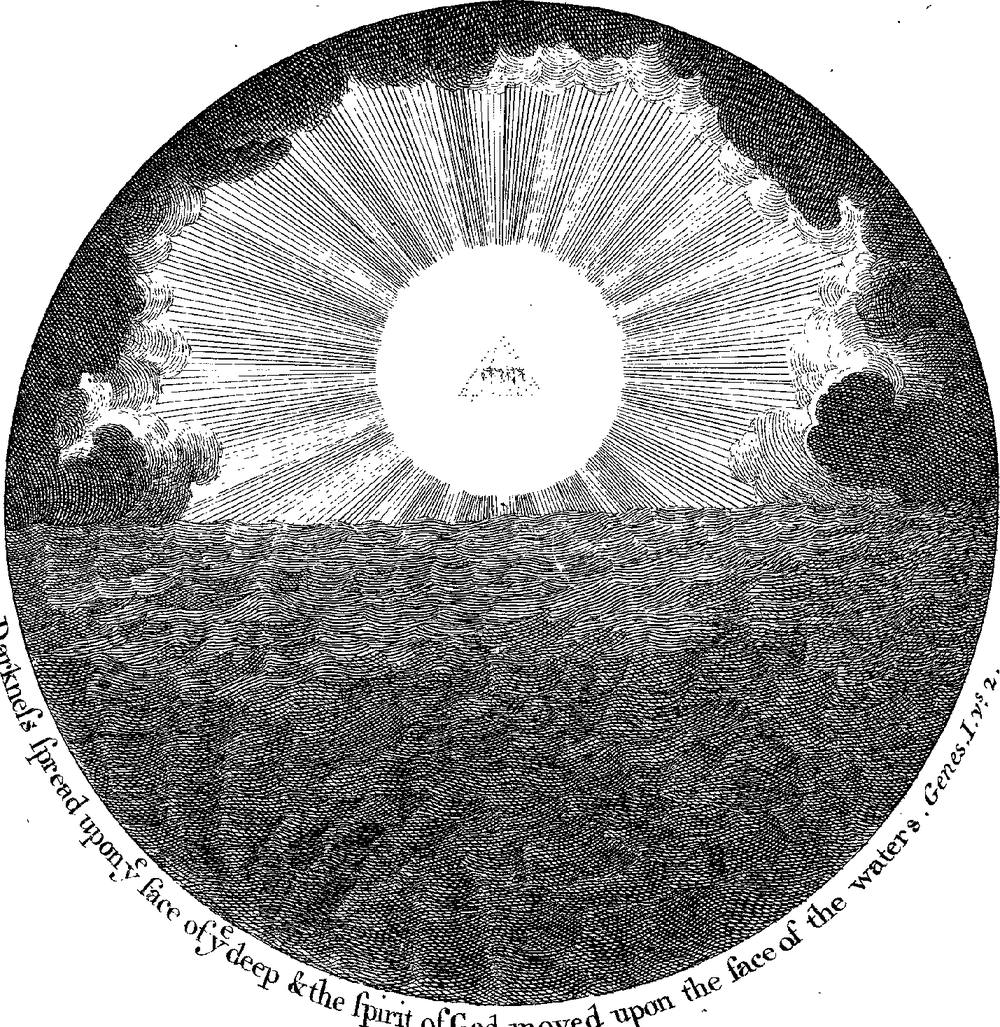
WORLD, in Latin, Mundus; in Greek, Cosmos; in Hebrew, Thebel. The Name World in Scripture has several Significations. Sometimes it is taken for the whole Universe, comprehending the Heavens, Earth, Sea, the Elements, the Angels, Men, Animals; in a word, all created Beings. 2. It is taken only for the Globe of the Earth, the Waters, and all things therein contained. 3. For the Race of Mankind. Thus Jesus Christ says to his Apostles, I am the John viii. 12. xvii. 25.light of the World. And elsewhere, O righteous Father, the World hath not known thee. And, If the World hate you, ye know that it xv. 18.hated me before it hated you. 4. The World, is also put for the Lovers of this World, the good things of this World: If ye were of the xv. 19.World, the World would love his own: But because ye are not of the World, but I have chosen you out of the World, therefore the World hateth you. And St. Paul says, The World is crucified unto me, and I unto the Galat. vi. 14. 1 John ii. 15.World. And St. John says, Love not the World, nor the things that are in the World: If any man love the World, the love of the Father is not in him.
Concerning the Creation of the World, there are many different Questions proposed, which we shall only touch upon as we go along. ‘Tis asked, if the whole Mass of Matter was created all at once, and if all corporeal Beings were ranged at the same time, or only in the Space of seven Days, as Moses describes in the Beginning of the Book of Genesis. Interpreters are of opinion, that God created all the Matter of the Universe out of Nothing, in an Instant, by one simple Act of his almighty Will; but they are not agreed about the other Question. Some maintain, that sensible Beings were not brought to their full Perfection, till after the Space of Seven Days was compleated. This is the Opinion of the greatest part of the Fathers and Interpreters, and is founded upon Moses’s Narration, who expresses it very distinctly. Besides, it cannot be easily conceived, that the Chaos should settle into any regular Order, ‘till after an infinite Variety of different Motions, by which the Parts of the Matter separated from one another, which were of different and incompatible Qualities, and till there should be an Union and Coalescence of those which were of the same Form and Nature; and that all those Motions could not be performed till after a sufficient Space of Time.
Others, as Philo,57 Origen,58 St. Austin,59 and some others, fearing that Consequences contrary to the Immutability and Omnipotence of the Creator might be drawn, from the Opinion of a successive Creation, have thought that nothing should be inferred from Moses’s Description, but a mental Succession of Order, and that he only represents the Creation as performed in Succession of Time, to accommodate himself to the Apprehensions of the Vulgar, and to give a more intelligible Account of it. The Wiseman says, He that liveth for ever created all things in general, or together. Matter, always Ecclus. xviii. 1.obedient to the Commands of the Almighty, had no need of Preparation. This is the most plausible of what is advanced to support this last Opinion. But the first seems the most probable, is most natural, and has the greatest number of Followers.
It is also enquired, at what Season of the Year the World was created? The generality of the Fathers think,60 that it was created in the Spring. So it was determined by a Council which was said to have been held in Palestine, by Theophilus of Alexandria, at the Instances of Pope Victor.61 The Poets describe the first Days of the World, like those of a fine Spring-Season. But a great number of others contend, that the World was created in Autumn. They urge, 1. That the Hebrews, the Egyptians, and most of the Orientals, began their Year at Autumn; which Custom they had received from their Ancestors, and they from the first Men, who would naturally commence their Year from the time when the World began. 2. When God created Adam and Eve, and all other Animals, he was to provide them with necessary Nourishment. 3. Lastly, there was Fruit upon the Trees in the Garden of Eden: We may eat of the fruit of the trees of the garden, says Eve to the Serpent; but of the fruit of the tree Genesis iii. 2, 3.which is in the midst of the garden, God hath said, Ye shall not eat of it, neither shall ye touch it, lest ye die. It was therefore Autumn, in whatever Place we suppose Adam to have been created: And this Opinion has been embraced by all our most learned Chronologists, as Petavius, Scaliger, Usher, and many others.
The ancient Hebrews had very different Notions of the System of the Universe,
and the Disposition of all its Parts, from our modern Philosophers and Astronomers. Their System was very simple, and accommodated to the Apprehensions of the Vulgar; and the Scripture proposes it rather as a received Opinion, to which it was obliged to conform its Expressions, in order to be understood by the People, than a Confirmation and Approbation of it, as of a Doctrine to which our Belief and Submission is required. It leaves this kind of Enquiries to the Curiosity of Philosophers: This sore Eccles. i. 13.travel hath God given to the sons of men, to be exercised therewith: And no Consequences are to be drawn from any Expressions in Scripture, relating to the Nature of corporeal things. The Hebrews believed, that at the Beginning of the Creation God divided the Waters into two Parts, one of Gen. i. 6.which was poured into the Deep, and made the Sea, and the other was laid up above the Firmament, where it supplies Matter for the Rain which falls upon the Earth. They believed the Earth to be an immense immoveable Plain, a surrounded on all sides by the Sea, and founded upon the Waters.
They thought the Earth to be wholly impregnated and penetrated by the Waters; that all the Fountains and Rivers returned into the Sea again, from whence Eccles. i. 7.they were supplied. They imagined there were three Heavens; the first, wherein the Birds fly, and the Clouds are formed; the second, in which the Stars are fixed and set; the third, wherein the Majesty of the Most High resides, whither St. Paul was transported, and where he heard Words which it 2 Cor. xii. 4.was not lawful to utter. They did not imagine that there were any Antipodes, or that the Heavens surrounded the Earth below us, or, by Consequence, that the Sun, Moon, or Stars, made their Revolutions about the Earth, or that the Earth had any Motion, in order to produce the same Effects in respect of us, as if the whole Machine of the Heavens had turned about the Earth. As to the System of the ancient Hebrews, concerning the Form and Disposition of the Universe, the Reader may see the whole matter discussed in our Dissertation upon this Subject, printed before the Commentary upon Ecclesiastes.
Many Difficulties are also started concerning the Duration of the World. This Duration may be considered either in respect of the Time past, or the future. The greatest part of the ancient Nations and Kingdoms of which we have any Monuments remaining, differ from each other concerning the Duration of the World. The Chaldeans, the Egyptians, the Chinese, the Greeks, the Hebrews, have all different Ways of computing the Years of the World. I do not speak of those that think there have been several Worlds, or several successive Creations of Men upon the Earth; or of those that think the World has been from all Eternity. Even the Chronologers, who follow the Hebrew Text and the Vulgate, are not agreed among themselves. ‘Tis known that the Hebrew Text of the Jews, and that of the Samaritans, differ from each other; and that the Copies of the Septuagint, which are no other than Translations of the Hebrew Text, are however very different from that Text in this respect: So that it is altogether impossible to reconcile all these Variations. Our Dissertation upon sacred Chronology may be perused, which is before the Commentary upon Genesis. According to the Computation of Usher, which is at present generally followed, from the Beginning of the World to the Birth of Christ, we reckon just four thousand Years; and from the Birth of Christ to this present Year, we reckon One thousand seven hundred and thirty-two Years: But the more skilful Chronologers, judging that the Birth of Christ is here put three Years too late, we must reckon it to be now One thousand seven hundred and thirty-five Years, instead of the former Number. So that from the Creation to this Time, it is exactly Five thousand seven hundred and thirty-five Years.
As to the Duration of the World from this time to its final Determination, or Dissolution, this is still much more doubtful and uncertain. The Egyptians were of opinion, that after a Revolution of Thirty-six thousand five hundred and twenty-five Years, all the Planets would be found in the same Point, and that then the World would be renewed, either by a Deluge, or by an universal Conflagration. They thought the World had already been renewed several times after this manner; and this Sentiment was even common among the Greeks also: But they were not agreed about the number of Years that this great Year, or one entire Revolution, would take up. Some, as Aristarchus,62 assigned it Two thousand four hundred and eightyfour Years: Others, as Aretes of Dynachium, Five thousand five hundred and fifty-two Years: Heraclitus and Linus, Ten thousand eight hundred Years; or, according to others, Eighteen thousand: Dion, Ten thousand School,63
eight hundred and eighty-one; Orpheus, One hundred thousand and twenty Years; Cassander, Three millions six hundred thousand Years. Plato,a and his whole School, as also Origen,64 were persuaded, that after a certain number of Years there was a Succession of new Worlds; which Opinion St. Austin65 has substantially refuted.
The Jews had an ancient Tradition,66 which they had from Elijah, not the great Prophet of that Name, but another, that lived after the Captivity of Babylon, and an hundred fifty-four Years after the rebuilding of the Second Temple: According to this Tradition, the World was to continue six thousand Years; that is, two thousand Years in a State of Nature, before the Law, two thousand under the Law, and two thousand under the Messiah. This Tradition has been adopted by several of the ancient Fathers, as St. Cyprian, Lactantius, St. Ambrose, Irenæus, Hilarius, Gaudentius of Brescia, the Author of the Orthodox Questions under the Name of Justin, St. Jerome, Victorinus upon the Revelations, Raban Maurus upon Deuteronomy, Isidore of Seville, and a great number of more modern Writers.67 St. Austin68 seems to be pretty favourable to this Opinion, in his 20th Book of The City of God, Chap. 7. but elsewhere he inveighs with some Vehemence against the Temerity of those who had dared to affirm, that the World should continue but six thousand Years; whereas they knew, that Jesus Christ, in his Gospel,69 has declared, that the Father alone has reserved to himself the Knowledge of the Time and Moment of the Last Day. We have enlarged upon this Matter, in our Dissertation concerning the End of the World, printed before our Commentary upon the second Volume of St. Paul’s Epistles. But, according to this Sentiment, the World ought not to endure longer than two hundred and sixty-five Years more, according to our Chronology, which reckons already five thousand seven hundred and thirty-five Years from the Beginning of the World.
Many have thought that the World was eternal, that it always existed, and that it will never have an End. But those of this opinion are divided among themselves, as to Particulars. Many have maintained, that there have been several Worlds, which have succeeded one another, and that the World has been re-
Vol. III. newed several times. That Matter is Eternal, but that in the whole Extent of Eternity God has given it an infinite Variety of Forms, which we call Creation: That Moses has given us the History of the last of these Creations, which has been preceded by many others. That God did not exist before his Work; for being eternal, and not capable of Inactivity, he could not remain without Action, nor leave Matter to itself, without Form or Motion. This Opinion has been espoused by a great number both of Jews and Mahometans, as Averroes, Avicenna, Alfaraba, and others, that have made Profession of following the Philosophy of Aristotle. There are also some Christian Commentators, who have been of Grot. Vatab.opinion, that these Words of Moses, In the beginning God created the heaven and the earth, may be understood, according to the Hebrew, Before God created the heaven and the earth, every thing was contained in the Chaos. This would intimate the Pre-existence of Matter, and even its Eternity, before God had given it the Form which it has retained ever since.
I say nothing here of the Pre-Adamites, having spoke of them in their proper Place, and shall say something farther of them afterwards. These may be reckoned in the number of those that hold the Eternity of the World; or, at least, that admit of several Worlds, in a regular Succession to each other.
Eccles. i. 9, 10, 11.The Question concerning the Antiquity of the World, was renewed in the time of Maimonides;70 that is, in the twelfth Century. But it seems, that even in the time of Solomon, there were Free-thinkers that maintained it. The thing that hath been, it is that which shall be; and that which is done, is that which shall be done; and there is no new thing under the sun. Is there any thing, whereof it may be said, See, this is new? It hath been already of old time, which was before us. There is no remembrance of former things, neither shall there be any remembrance of things that are to come, with those that shall come after. They that stickle for the Eternity of the World never fail to quote the Opinion of this Prince, who was endued with so much Wisdom and Understanding. Maimonides wrote on purpose to confute them, and the Hebrews reject them as Hereticks, as excommunicated Persons, and expelled out of Israel, who pretend to maintain, that Matter is coeternal with God. True it is, that such Jews as Z z71
defend this Sentiment, endeavour to skreen themselves from Censure, even by the Authority of Maimonides himself, who, as they affirm, has not comprehended the Creation of the World among the fundamental Articles of the Jewish Creed.
In the fifteenth Century a Rabbin called Samuel Sarsa endeavoured to reconcile the Pagan Philosophers with Moses, upon the Subject of the Creation of the World.72 He contended, that the World was not created out of nothing, but that it was formed of Matter that pre-existed, in a Succession of several Days, as we read in the History of Genesis. But Sarsa was condemned to be burnt alive. Capantou, a Spanish Rabbin, eagerly solicited his Condemnation, and he was supported by a great number of Doctors of that Time, and of his own Nation. This is a decided Point, to shew the common Sentiment of the Synagogue upon this important Article.
Yet they tolerate those who maintain, that before the World which we now inhabit, there was a former, which came to its Period in the seventh Millinary after its Creation; and that its Successor shall in like manner determine. They support this Opinion by a Proof of but little Solidity: ‘Tis because Moses begins his Account by the Letter Beth, which stands for two. ‘Tis easy to see that this proceeds from the Mint of the Cabalists. Other Doctors teach, that God created seven things before the Universe. First, the Law, or Wisdom; secondly, Hell; thirdly, Paradise; fourthly, the Throne of his Glory; fifthly, the Sanctuary; sixthly, the Name of the Messiah; lastly, Repentance. All this is founded upon Passages of Scripture, understood preposterously, and in a remote Sense.
Tractat. Theologico-Politic.Spinosa was bred up in the Synagogue, and taught, that there is but one Substance in the Universe, that God is this Substance, and that all the Beings that exist are only Modifications of this Substance. His Principle is, that nothing can be produced out of nothing, and that a Substance cannot act upon nothing; and that Nonentity could not be the Subject and the Matter upon which God works. From whence he concludes, that since the World exists, it has always existed, and God could not produce it out of nothing. He adds, that there is but one Substance, and this Substance is God, no other thing subsisting of itself independently and necessarily. This one Substance being endued with an infinite number of Properties and Perfections, it is modified after very different Manners. That Body, as it occupies Space, is a Modification of this Substance, as it is extended; and that the Soul is a Modification of the same Substance, as it has the Property of thinking.
The System of Spinosa is alike rejected both by Jews and Christians, and by all good Philosophers: ‘Tis a Revival of the Errors of Epicurus, Democritus, and Lucretius, and is founded on continual Paralogisms: Pretending that every thing in Nature is God, he abolishes the true Idea of God, and he shews, that he has a false Notion of the Creation of the World, maintaining that Nothing could not be the Subject of the Operation of God. When it is said, that God produces Beings out of nothing, it is not understood that the Subject of the Creation was nothing; ‘tis the Substance that he creates, that he forms, and to which he gives at the same time both Existence and Form.
WORM, Vermis, Vermiculus. When the Scripture would represent to us the Meanness and Weakness of human Nature, it compares it to a Worm of the Earth, because indeed nothing in the World is found to be more contemptible Psal. xxii. 6. Isai. xli. 14.than this Creature. I am a worm, and no man, a reproach of men, and despised of the people. Words which the Son of God has applied to himself, to express the State of Humiliation to which he was reduced. Fear not, thou worm Jacob, ye Hebrews, that are humbled as the Worms of the Earth; Noli timere vermis Jacob.
The Worm of the damned dies not, Isai. lxvi. 24. Mark ix. 43, 45.says our Saviour, after Isaiah; and the Fire that burns them shall never be quenched. See what is before said on the Article FIRE.
These Expressions of a Worm that gnaws and never dies, are taken from Carrion exposed to the Birds of the Air, and to Worms and Maggots; which is sometimes consumed by Fire, for preventing the Stench and Corruption of the Air: Eccles. vii. 19.Vindicta carnis impii, ignis & vermis.
No one has any Doubt about the Worms and the Fire that consume Carrion and Carcasses that are exposed; but there are great Disputes, about the Nature of that Worm that gnaws the Damned. Origen thought,73 that this was only a metaphorical Fire. St. Ambrose74 expressly denies, that this Worm is real and corporeal. He maintains, that it is only Remorse of Conscience, which gives the Sinner no Respite: Neque vermis est corporalis ---vermis est, eo quod animæ peccata mentem rei
rei sensumque compungunt, & quædam excedunt viscera conscientiæ. St. Jerome acknowledges,75 that it is the Opinion of many, that this Worm consists only in the gnawing of the Conscience. Thomas Aquinas76 has embraced this Opinion, and has been followed by several of the Schoolmen.
But St. Austin,77 having carefully examined both these Sentiments, and weighed the Reasons that are brought on both sides, without condemning those who believe the Flames to signify only the acute Pains of the Damned; declares himself however at last for that Opinion which holds that both are real and corporal: Ergo tamen facilius est ut ad corpus dicam utrumque pertinere, quam neutrum. St. Chrysostom, Cyril of Alexandria, Theophylact, Prosper, in his third Book of the Contemplative Life, Anselm, Hugh of St. Victor, declare themselves to be of the same Opinion. St. Bernard,78 in his Books of Consideration, expresses himself in a manner that is favourable to each Sentiment. He observes plainly, that this Worm is Remorse of Conscience; but at the same time he speaks of its biting, and of its nourishment, as of a thing real and sensible. He says, speaking of an evil Conscience; Hic est vermis qui non moritur, memoria præteritorum, semel injectus vel potius innatus, per peccatum, hæsit firmiter, nequaquam deinceps evellendus, nec cessat rodere conscientiam, eáque pastus, escâ utique inconsumptibili, perpetuat vitam. Horreo vermem mordacem, & mortem vivacem.
It must be confessed, that it is not easy to comprehend how a Worm can act upon a Soul separate from the Body; but is it impossible for God to effect, that in the Presence of a Worm, immortal and insatiable, the Soul should be afflicted and tormented, as it would be if this Worm was to act upon a Body to which it was united by the Will of the Creator? The Action of the Body upon the Soul, which animates it, is not more immediate than what might be, by the Will of God, the Action of a Worm upon a Soul, which deserves that God should make it suffer the Torment of a Worm always gnawing, always living, always greedy, and never satisfied.
Vermiculus is taken for Scarlet. Moses often makes use of this Term in his Enumeration of the Stuffs and Colours employed in making the Veils of the Tabernacle of the Covenant. The Hebrew Isai. i. 18.Words Tolahat Shani, which the Vulgate has translated by Coccum bis tinctum, or Vermiculum, and which the Septuagint79 have rendered by a Colour red as Scarlet, properly signifies the Worm of the Coccus. Tolahat certainly signifies a Worm, and Shani a particular Worm; as if it were said, the Worm called Shani. Tolahat alone can only denote a Worm in general; but Shani, even alone, signifies a deep red Colour. Tho’ your Sins were as Scarlet, (the Shanim) yet they should become as white as Snow, says Isaiah. And the Cant. vi. 3.Spouse in the Canticles says to his Spouse, Thy Lips are like a Thread of Scarlet, of Shani.
As the Word Shani may signify two, or double,80 St. Jerome, in some Passages has taken it for Wool twice dyed, Coccum bis tinctum: And the Septuagint, for a Stuff of two Threads; but it is better to understand it of the Worm called in Latin, Coccus, and in Arabic, Kermes, or Karmes; whence comes the Word Crimson, because they make use of these little Worms to dye this Colour. The Kermes, or Coccus, is a small round Shell, membranous, thin, smooth, and shining; of a reddish brown Colour, mixed with a whitish Ash-Colour, about a quarter of an Inch Diameter, generally divided into two equal Cavities, the greatest of which is full of an almost infinite number of little oval Eggs, very red, or Vermillion; and the smaller Cavity is full of a kind of Liquor which is red likewise, and not much different from Blood. This Cod or Shell grows upon a kind of green Oak, that grows only to the Height of a Shrub.
These Shrubs are found in Palestine, in Provence, in Languedoc, in Spain, in the Isle of Crete, and elsewhere.81 They loosen these Cods or Shells from the Leaves to which they are fastened, and the Worms of which they are full come out of the Hole made by taking them from the Leaf; they separate these little Animals from the Shells with a Sieve, and put them together by pressing them lightly, and make them into Balls of the Bigness of a Pullets Egg. They were formerly much used for the dying of Crimson; but they are now not so much in use, since the Invention of Cochineel. The Original of the Kermes is from a kind of Gnat or Worm, biting the green Oak to receive its Nourishment from it, and making there a kind of Blister, or Bladder, in which it lays its Eggs, which
Worm continues on the next page
Footnotes
-
Embassy of the Hollanders to Japan, p. 2. p. 139. ↩
-
Embassy of the Hollanders to Japan, Part 2. p. ↩
-
Levit xxiii. 40. Heb. ערבי נחלSalices torrentis. Ita Interp. passim. 70. ἰτέας καὶ ἄγνυ κλάδυς ἐκ χειμάῤῥυ. Willows, and Branches of the Agnus Castus. ↩
-
Ezek. xlii. 16, 17, 18. ↩
-
Gen. xli. 27. Exod. x. 13. 70. Νότος. ↩
-
Prov. xxv. 23. ↩
-
Exod. xix. 4. See also Deut. xxxii. 11. ↩
-
Matth. xxvii. 33. Ὄξος μετὰ χολῆς μεμιγμένον. Ita Syr, Origen. Hieron. ↩
-
Vide Bartholin. de vino myrrhato. §. 2. ↩
-
Vide Aug. l. 3. de consensu Evang. c. 11. ↩
-
Vide Bedam & Strabum in Matth. xxvii. ↩
-
Psalm lx. 3. יין תרעלה ↩
-
Aëtius Set. 4. Serm. 41. c. 123. ↩
-
Hieron. ad Matth. xxvii. Rabb. Inchasin. 114. 2. in Tit. Sanhedrin. ↩
-
Ezek. xxvii. 18. ביין חלבון ↩
-
Athen. Dipnosoph. l. 1. Vide & Strab. l. 15. & Plutarch. de fortun. Alexand. ↩
-
Vide Hieron. & Sanct. in Hos. xiv. ↩
-
נקטרNectar, Suffiri, suavi odore perfundi. ↩
-
Psal. lx. 3. יין תרעלה ↩
-
Deut. xiv. 26. & passim. ↩
-
Deut. xxxii. 38. Esth. xiv. 17. ↩
-
Cant. i. 3. יין מישריםvii. 9. Prov. xxiii. 30. ↩
-
Diodor. Sicul. l. 1. p. 62. ↩
-
Homer. Odyss. Δ, Νηπενθές τ’ ἄχολόν τε κακῶν ἐπίληθον ἁπάντων. ↩
-
Amos ii. 8. 70 .יין ענושיםΟἶνον ἐκ συκοφαντιῶν. ↩
-
Matth. ix. 17. Mark ii. 22. Luke v. 37. ↩
-
Sapientia, Σοφία, חכמהChachma. ↩
-
Wisd. vii. 22, 26. viii. 1, 2, &c. xvi. 12, 26. ix. 1, 2. xviii. 15. ↩
-
Ecclus. xxiv. 5, 6, 7, &c. ↩
-
1 Cor. i. 19, 20, 21, &c. ii. 1, 4, 5, 6, 7, &c. ↩
-
Σοφία Σολομῶν. ↩
-
Wisd. i. 1. vi. 1, 2, 3, 10, 21, 22. ↩
-
Isidor. i. 1. Offic. Lorin. Præfat. in Sapient. Sixt. Sen. Bibliot. l. 6. Bellarmin. de Verbo Dei, l. 1. c. 13. ↩
-
Hieronym. Præf. in Libb. Salom. ↩
-
Sixt Sen. l. 8. Biblioth. Salmeron. T. 1. Proleg. 8. Christophor. à Castro. Gonzalv. Cervantes, Præf. in Lib. Salom. &c. ↩
-
Aug. de Doctr. Christ. l. 2. c. 8. ↩
-
Idem l. 2. c. 4. Retract. & l. 17. c. 20. de Civit. ↩
-
Hieronym. Prolog. Galeat. ↩
-
Lyran. in Sap. Galatin. de arcan. Cath. Fid. l. 1. c. 4. Ludov. Vives in Aug. de Civit. Dei. l. 17. c. 20. ↩
-
Jacob. Faber. Vien. Ep. apud Lorin. in Sap. Præf. c. 2. ↩
-
Driedo l. 1. de Ecclef. Dogm. c. 4. Michael. Medina de recta in decem fide, l. 6. c. 12. Genebr. ad An. 3860. Melch. Canus de locis Theol. l. 1. c. 11. ↩
-
Grot. Præf. de Sapient. ↩
-
Cornel. à Lapid. Præf. in Lib. Sapient. ↩
-
Athanas. in Synopsi. Epiphan. l. de Ponderib. Mensur. Hieron. Prolog. Galeato & in Zach. viii. c. xi. & in Ep. 115. Origen. in Psal. li. Melito Ep. ad Onesim. Euseb. Hist. Eccles. l. 4. c. 28. Gregor. Nazianz. Cyrill. Hierosol. Laodicæna Synod. Athanas. Ep. Festali Damascen. l. 4. c. 18. de Fide orthodoxa, &c. ↩
-
Lyran. in Sapient. ↩
-
Cajet. in Esther, ad finem. ↩
-
Testis, Μάρτυς or μάρτυρ. ↩
-
Tertull. contr. Marcion. l. 5. c. 1. Ambros. de benedic. Patriarch. c. 12. Hieron. in Isai. l. 4. & in Osee, l. 2. Augustin. &c. ↩
-
Rabb. Samuel. Manasse-Ben-Israel. Maimonid. Eugubin. in Genes. in Cosmopœia. ↩
-
Philo allegor. leg. l. 3. p. 109, 110. Cajetan. in Genes. ↩
-
Leo of Modena, Cerem. of the Jews, Part 5. c. 4. ↩
-
2 Kings xvi. 4. Jerem. ii. 20. Isai. lvii. 5, &c. ↩
-
Jerem. xi. 19. 70 .נשחיתה עץ בלחמוἘμβάλωμεν ξύλον εἰς ἄρτον αὐτοῦ. The English Translation reads it, Let us destroy the tree, with the fruit thereof. ↩
-
Wisd. xviii. 15. Exod. xii. 29, 30. ↩
-
Wisd. xviii. 22. See Numb. xvi. 46. ↩
-
Philo de Mundi opificio. Οὐδὲν ἂν ἕτερον εἴποι τὸν νοητὸν εἶναι κόσμον, ἢ θεοῦ λόγον ἤδη κοσμοποιοῦντος. Et p. 6. Τὸν δ᾽ ἀόρατον καὶ νοητὸν θεῖον λόγον καὶ θεοῦ λόγον εἰκόνα λέγει θεοῦ. Et p. 714. e. & lib. de Somnis, p. 578. Ἥλιον λέγει τὸν θεῖον λόγον, τὸ τῆς καθ᾽ ἑαυτὸν περιπολήσεως ἀπόδειγμα. ↩
-
Philo Alleg. l. 1. & de Mundi opificio, p. 6, 41. ↩
-
Origen. contra Celsum, l. 6. ↩
-
Aug. l. 4. de Genes. ad Litt. c. 18. & lib. 11. de Civit. c. 7. & l. 12. Confess. c. 29. ↩
-
Ita Cyrill. Hierosol. Cath. 14. Basil. in Hexaem. Nazianz. Orat. in Nat. Dom. Ambros. in Hexaemer. Theodoret. qu. 72. in Genes. ↩
-
Concil. Palæst. apud Bedam, de sex ætat. Mundi. ↩
-
Apud Censorin. de die natali, c. 18. ↩
-
1 Chron. xvi. 30. Psal. xcii. 1. xcv. 10. ciii. 5. Jerem. x. 12. li. 15. Eccles. i. 4. ↩
-
Origen. de Princip. l. 3. c. 5. ↩
-
Aug. de Civit. l. 12. c. 11, 13. ↩
-
Gemar. Abodah, Zarah, c. 1. ↩
-
Vide apud Cornel. à Lapide, in Apoc. xx. 5. ↩
-
Aug. in Psal. lxxxix. ↩
-
Matth. xxiv. 36. Vide & Act. i. 6, 7. ↩
-
Maimon. Mose Nebochin. par. 2. c. 13, 14, &c. ↩
-
Apud Aug. de Civit. l. 12. c. 11, 13. ↩
-
Vid. Menasse Ben-Israel, de creatione, Prob. 3. ↩
-
Origen. Homil. 23. in Exod. & l. 2. de Princip. ↩
-
Ambrof. l. 7. in Luc. c. 14. ↩
-
Hieronym. in Isai. lxvi. ↩
-
Thom. in 4 Distinct. 50. q. 2. art. 3. ad 1 & 2. ↩
-
Aug. de Civit. l. 21. c. 9. ↩
-
Bernard. l. 5. de Consider. c. 12. & de conversione ad Clericos, c. 5. ↩
-
Exod. xxv. 4. 70תולעת שני .φοινικῶν, Rubrum. Aqu. διάφανον, translucens. Sym. διάβαινον, transparens. ↩
-
Κόκκον διπλοῦν. ↩
-
Vide Bellon. observat. l. 1. c. 17. l. 2. c. 88. &c. ↩