NAZARITE, or Nazarean. This Term may signify, 1st, One that is of Nazareth, or any Native of this City. 2d, This Name was given to Jesus Christ and his Disciples; and commonly it is taken in a Sense of Derision and Contempt, in such Authors as have written against Christianity. 3d. It has been taken for a Sect of Hereticks call’d Nazareans. 4th, For a Nazarite, a Man that has laid himself under the Obligation of a Vow, to observe the Rules of Nazaritesbip; whether it be for his whole Life, as Sampson and John the Baptist; or only for a Time, as those mentioned in Numbers vi. 18, 19, 20. Amos ii. 11, 12. Lastly, Gen. xlix. 26. Deut. xxxiii. 16.the Name Nazarite in some Passages of Scripture denotes a Man of particular Distinction and great Dignity in the Court of some Prince. But we must speak of these several Sorts of Nazarites something more distinctly.
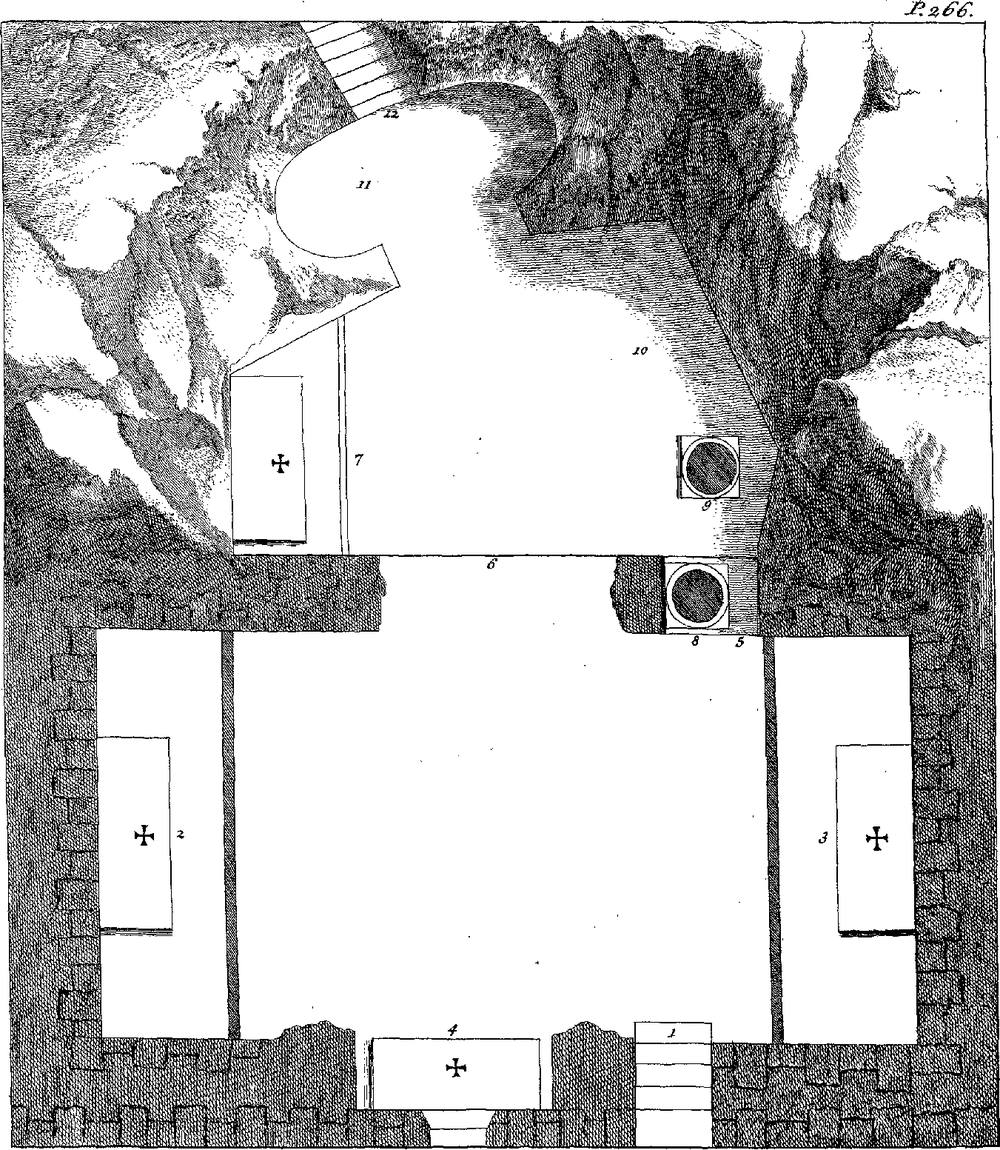
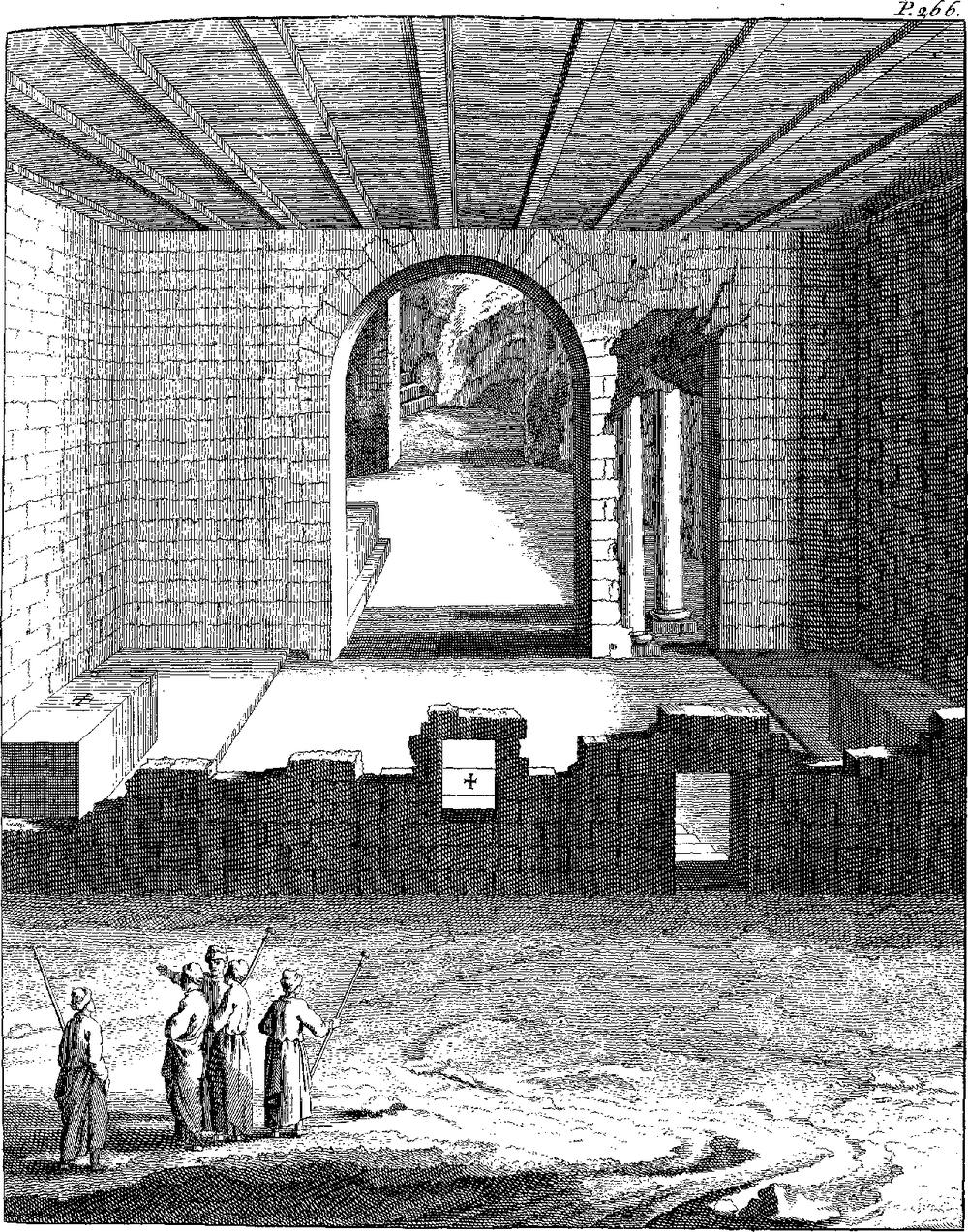
The Name of Nazarene belongs to Jesus Christ, not only because of his having lived the greatest part of his Life at Nazareth, and because this City has always been consider’d as his Country, but also because the Prophets had foretold, that he should be call’d a Matth. ii. 23.Nazarene. And he came and dwelt in a City call’d Nazareth, that it might be fulfill’d which was spoken by the Prophets, he shall be call’d a Nazarene. We find no particular Place in the Prophets, in which it is said that the Messiah should be called a Nazarene; and St. Matthew only quotes the Prophets in general. Perhaps he would insinuate, that the Consecration of the Nazarites, and the great Purity of which they made Profession, was a Type and a sort of Prophecy of those of our Numb. vi. 18, 19.Saviour; or else that the Name of Nazir or Nazarite, given to the Patriarch Joseph, was a Prophecy which was to be fulfill’d in the Gen. xlix. 26. Deut. xxxiii. 16.Person of Jesus Christ, of whom Joseph was a Figure. Lastly, St. Jerom1 was of Opinion, that St. Matthew here alludes to that Passage of Isaiah xi. 1. and lx. 21. And there shall come forth a Rod out of the Stem of Jesse, and a Branch (in Hebrew, Nezer,) shall grow out of his Roots. This Branch or Nezer, and this Rod, are certainly intended to denote Jesus Christ, by the general Consent of all the Fathers and Interpreters.
Nazarean, when it is put for the Hereticks known by this Name, denotes Christians converted from Judaism, whose chief Error consisted in defending the Necessity or Expediency of the Works of the Law, and who obstinately adhered to the Practice of the Jewish Ceremonies. The Name of Nazarenes at first had nothing odious in it, and it was often given to the first Christians. The Fathers frequently mention the Gospel of the Nazarenes, which differs nothing from that of St. Matthew, which was either in Hebrew or Syriack, for the Use of the first Converts, but was afterwards corrupted by the Ebionites. These Nazarenes preserved this first Gospel in its primitive Purity. Some of them were still in being in the Time of St. Jerom1, who does not reproach them with any Error. They were very zealous Observers of the Law of Moses, but had the Traditions of the Pharisees in very great Contempt. Nazarite, when put to signifie those under the antient Law, who made a Vow of observing a more than ordinary Degree of Purity2, denotes a Man or Woman, who engage themselves by a Vow to abstain from Wine and all intoxicating Liquors, to let their Hair grow without cutting or shaving, not to enter into any House that was polluted by having a dead Corps in it, nor to be present at any Funeral. And if by Chance any one should have died in their Presence, they began again the whole Ceremony of their Consecration and Nazaritesbip. This Ceremony generally lasted eight Days, sometimes a Month, and sometimes their whole Lives. When the Time of their Nazaritesbip was accomplish’d, the Priest brought the Person to the Door of the Temple, who there offer’d to the Lord a He-Lamb for a Burnt-Offering, a She-Lamb for an expiatory Sacrifice, and a Ram for a Peace-Offering. They offer’d likewise Loaves and Cakes, with Wine necessary for the Libations. After all this was sacrificed and offer’d to the Lord, the Priest or some other shaved the Head of the Nazarite at the Door of the Tabernacle, and burnt his Hair, throwing it upon the Fire of the Altar. Then the Priest put into the Hands of the Nazarite the Shoulder of the Ram roasted, with a Loaf and a Cake, which the Nazarite returning into the Hands of the Priest, he offer’d them to the Lord, lifting them up in the Presence of the Nazarite. And from this Time he might again drink Wine, his Nazaritesbip being now accomplished.
As to those that were perpetual Nazarites, as were Sampson and John the Baptist, it appears that they were consecrated to their Nazaritesbip by their Parents, and continued all their Lives in this State, without drinking Wine, or cutting their Hair.
Those that made a Vow of Nazaritesbip out of Palestine, and could not come to the Temple when their Vow was expired, contented themselves with observing the Abstinence required by the Law, and after that cutting their Hair in the Place where they were; as to the Offerings and Sacrifices prescribed by Moses, which were to be offered at the Temple, by themselves, or by others for them, they deferred this till they could have a convenient Opportunity. Hence it was, that St. Paul being at Corinth, and having made the Vow of a Nazarite, he had his Hair cut off at Cenchrea, a Port of Corinth, and put off the satisfying the rest of his Vow, till he should arrive at Jerusalem. See Acts xviii. 18.
When a Person found he was not in a Condition to make a Vow of Nazariteship, or had not Leisure to perform the Ceremonies belonging to it; he contented himself by contributing to the Expence of the Sacrifices and Offerings of those, that had made and fulfill’d this Vow: And by this Means he became a Partaker in the Merits of such Nazariteship. Josephus3 in order to magnifie the Zeal and Devotion of Herod Agrippa King of the Jews, says that he caus’d several Nazarites to be shaven. Maimonides4 says, that he that would thus partake in the Nazariteship of another, went to the Temple, and said to the Priest, “ In such a Time such an “ one will finish his Nazariteship; I intend to defray the Charge of his Tonsure, either in Part, or in the Whole”. When St. Paul came to Jerusalem, in the Acts xxi. 23, 24.Year of Christ 58, the Apostle St. James the lesser, with the other Brethren, said to him, That to quiet the Minds of the converted Jews, who had been inform’d that he every where preach’d up the entire abolishing of the Law of Moses; he ought to join himself to four of the faithful, who had a Vow of Nazariteship upon them, and contribute to the Charge of the Ceremony at the shaving of their Heads; by which the new Converts would perceive, that he continued to keep the Law, and that what they had heard of him was not true.
Nazarite, when made use of to express a Man exalted to great Dignity, as it is said of the Patriarch Joseph, that he was a Nazarite among his Brethren; I say, Nazarite in this Sense is variously understood. Gen. xlix. 26. Deut. xxxiii. 16. Vulgat.Some think it signifies one who is crown’d, chosen, separated, distinguish’d. Nezer in Hebrew signifies a Crown. The Seventy translate this Word by, a Cheif, or by, him that is honour’d. We think that Nazir was a Name of Dignity, in the Courts of the Eastern Princes. Even at this Day in the Court of Persia5, the Nezir is the Superintendant General of the King’s House-hold, the chief Officer of the Crown, and the High Steward of his Family, Treasures, and Revenues. In this Sense Joseph was the Nezir of the House of Pharaoh.
Read this article in its place on the printed pages