MANDRAKES. A kind of Plant that stupifies, and sometimes causes Phrenzy. ‘Tis said to be a Provocative, and is therefore used in Philters. There are two Sorts of it, one is black, and called the female Mandrake, having Leaves not unlike Lettice, tho’ less and narrower, which spread upon the Ground, and are of a very disagreeable Scent. It bears Berries something like Services, being pale and of a strong Smell, which have Kernels within like those of Pears. It has two or three very large Roots, twisted together, black without, and white within, and covered with a thick Rind. The other Kind, or the male Mandrake, is called Morion, or Folly, because it takes away the Use of the Senses. It produces Berries as big again as those of the Female, of a good Scent, and of a Colour approaching towards Saffron. Its Leaves are large, white, broad, and smooth, like the Leaves of the Beach-tree. Its Root resembles that of the Female, but is thicker and bigger. This Plant stupifies those that make Use of it, sometimes depriving them of Understanding; and often causes such Vertigoes and Lethargies, that if those that have taken it have not some present Assistance, they die in Convulsions.
Matthiolus tells us, that what is reported of Mandrakes having their Roots of the Form of a human Body, is all a Fable. What has given Occasion to Mandrakes having the Name of Anthropomorphos, or the human Shape, is only because most of the Roots of this Plant are forked from the Middle downwards, which makes a kind of Thighs and Legs: So that being gathered when the Mandrake sheds its Berries, they have something of the Appearance of a Man without Arms. This Author adds, that the Roots made in the Fashion of a Man’s Body, and called Mandrakes, or Hands of Glory, which your Quacks pretend to be of singular Virtue to procure Children to barren Women, are only artificial, and made of the Roots of the Reed, white Briony, and such like. He tells us also, that he had learned from one of these Impostors, that they put Grains of Barley or Millet into the Figures when cut, in such Places as Hair should grow, and then burying them in the Ground, they let them continue till the Barley or Millet begins to shoot, which happens in about three Weeks; then digging them up, and adjusting the small Roots or Fibres in the Form of Hair, they appear then to have a Beard, and Hair on their Heads.
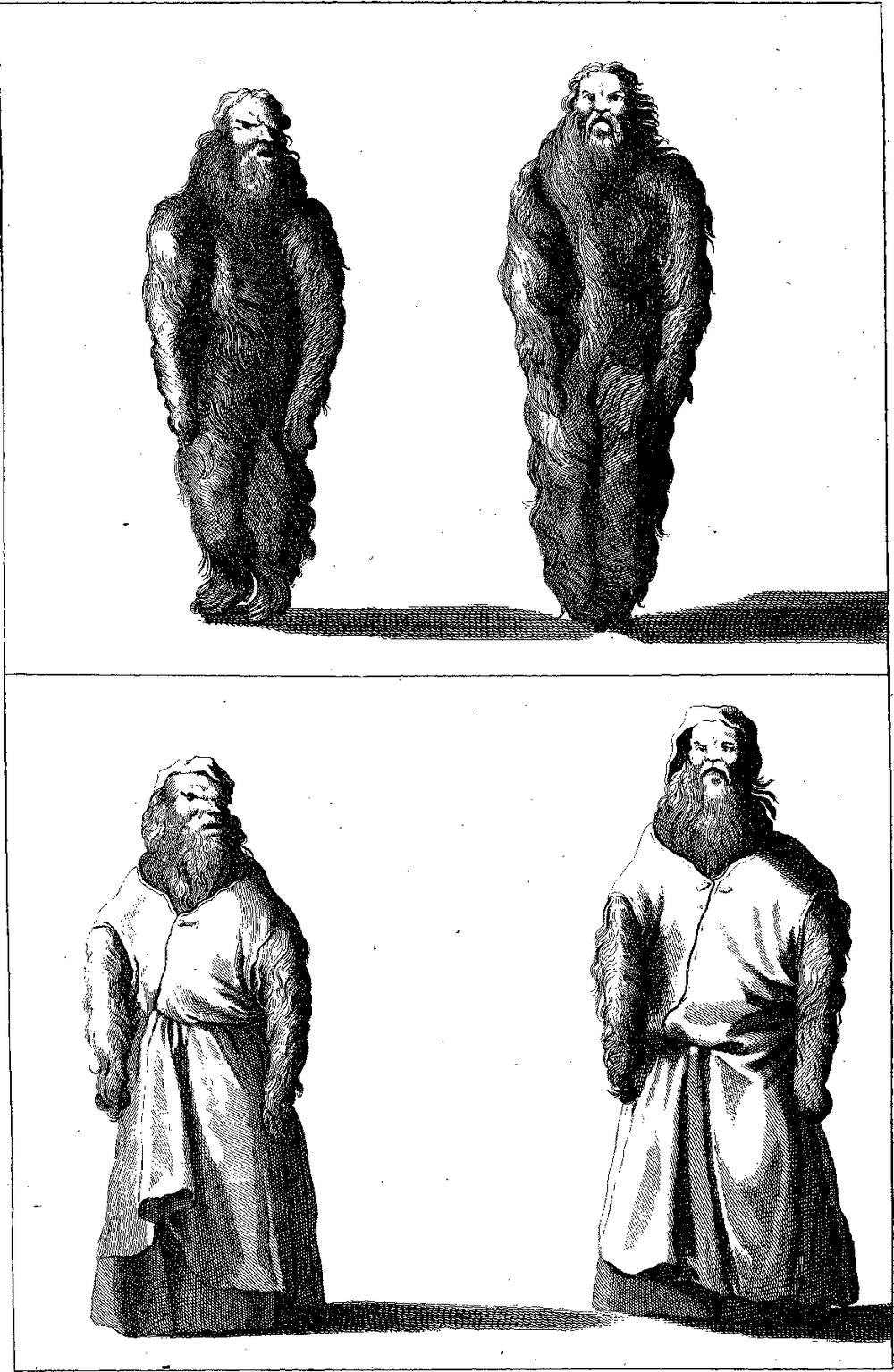
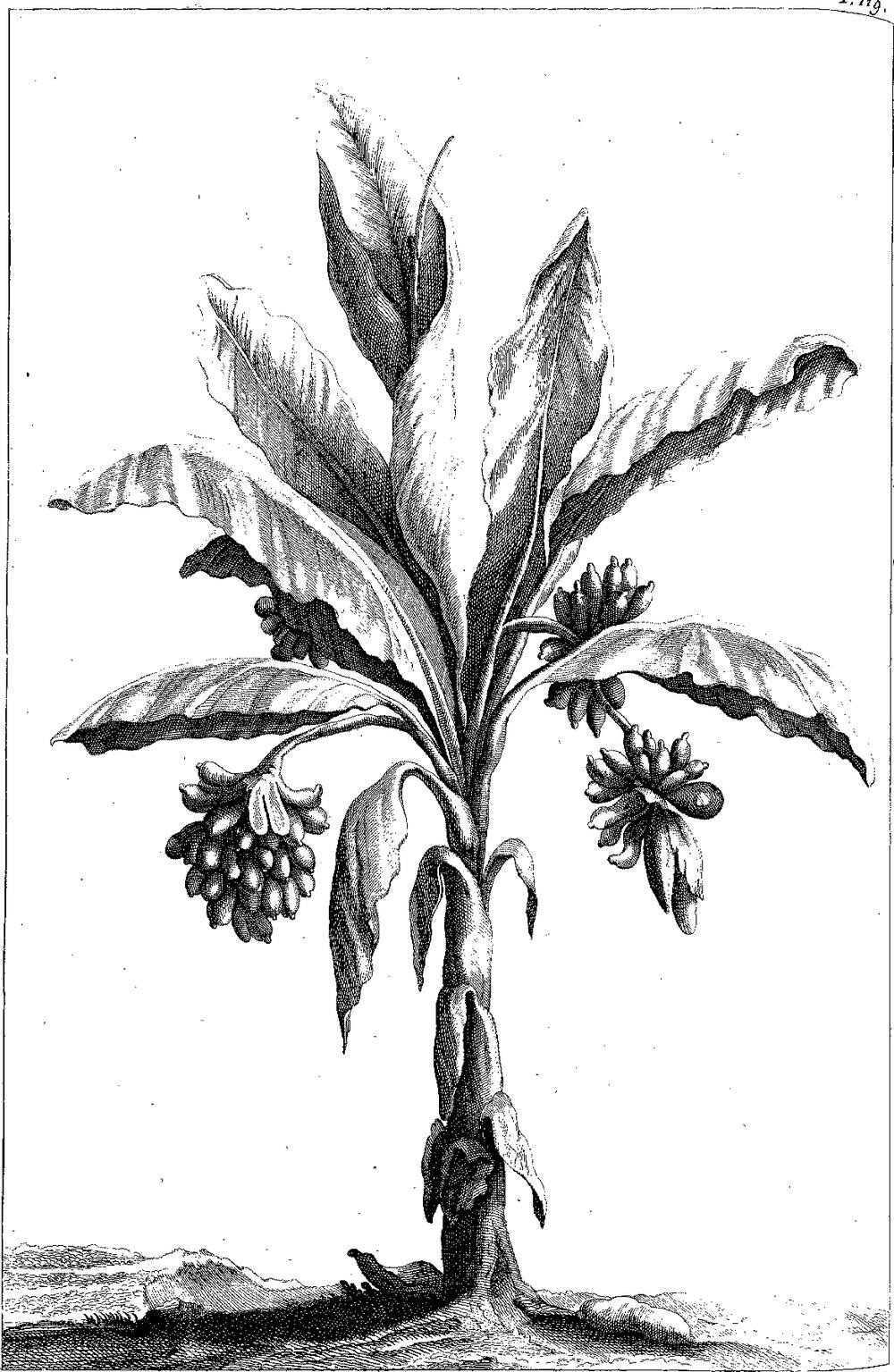
Moses informs us1, that Reuben the Son of Leah, being in the Field, happened to find Mandrakes, which he brought home to his Mother. Rachel had a Mind to ‘em, and obtained them from Leah on this Condition, that she should consent that Jacob should be her Bedfellow the Night following. The Term Dudaim here made Use of by Moses, is one of those Words, of which the Jews at this Day do not understand the true Signification. Some translate it by Violets, others Lillies, or Jessamin; Junius calls it agreeable Flowers, Codurquus makes it Truffle or Mushroom. We have proposed our Conjectures in the Commentary upon Genesis, Chap. xxx. V. 14. shewing that it might be Citrons. It appears by Scripture, that the Dudaim are a Sort of Fruit, known in Mesopotamia and Judæa, which are ripe about Wheat-harvest, have an agreeable Scent, may be preserved, and are placed with Pomgranates2. Those that Cant. vii. 13.would support the Translation of this Word by Mandrakes, rely upon this Reason. Rachel having a very great Desire to have Children, it may be presumed that she coveted Leah’s Mandrakes with that View. The Ancients have given to Mandrakes the Name of the Apple of Love, and to Venus the Name of Mandragoritis. The Emperor Julian in his Epistle to Calixenes says, that he drinks the Juice of Mandrakes to excite amorous Inclinations. The Hebrew Word Dod, whence comes Dodaïm or Dudaïm, signifies Love, or Nipples. See Baubin. Hist. of Plants, Tom. iii. p. 614, &c. Matthiolus upon Dioscorides, and Brodeus upon Theophrast.
Ludolff3 in his History of Ethiopia has confuted that Opinion, which would have the Hebrew Word Dudaïm to signify Mandrakes. He maintains it stands for a certain Fruit which the Syrians call Mauz4, of which the Figure and Taste has a great Resemblance to the Ficus Indica, or Indian Fig. This Fruit is as big as a small Cucumber, and there are found sometimes upwards of forty hanging upon the same Stalk. Travellers give an Account, that in the Island of Hainan in China, there grows a little Shrub, that in fifteen Days puts out a Stalk surrounded with six or seven large Leaves, and loaded with Fruit not unlike large Figs. They add, that these Leaves are so large as to be able to encompass a Man’s Body. Hence it may be conjectured, that the Leaves of the Fig-tree with which Adam and Eve covered themselves after their Disobedience, might belong to this Tree. There are even some Authors of Opinion5, that it was the Fruit of this Tree with which Eve was tempted, which they pretend also to be the Dudaïm or Mandrakes of Reuben. As to the Mandrake, the Persians call it Abronzanam, that is to say, the human Figure, because the Orientals, and in particular the Jews, so artificially dress up the Root of the Mandrake with Hairs and Filaments, that it appears to have the Figure of a Man or Woman. The Reader may observe the Figure of it. Lusfallah says, that there is Danger in digging up or cutting this Plant; to avoid which, when they intend to pluck one up, they tie a Dog to the Stalk, which they then beat, that by endeavouring to run away he may tear up the Plant.
Josephus improves much upon all this6. He calls this Plant Baaras, a Name not very remote from the Abron of the Persians, or the Jabron of the Arabians. He says it is found in a Valley, to the North of the Castle of Macheron, which was built by Herod the Great. That towards Evening it appeared glittering like the Sun; that when any one came near it in Order to pull it up, it withdrew itself and seemed to fly, unless there were thrown upon it any menstruous Blood, or the Urine of a Woman. That even then it was not safe to pluck it up, unless he that undertook it had a Root of the same Plant hanging upon his Arm; without which Precaution he exposed himself to certain Danger of dying.
There is however a Way of taking it up without Danger. They dig all round the Root, so that it sticks to the Earth only by its Extremities. Then they fasten a Dog to the Root by a String, and the Dog striving to follow his Master who calls him away, easily tears up the Plant, but then he dies upon the Spot, and the Master can take this wonderful Root in his Hand without any Danger. Now the Use that is made of this Root deserves well that they should take all this Trouble to obtain it. For those Devils or evil Spirits that had animated the greatest Profligates, if they enter into the Body of a Man, and seem ready to choak him if he be not presently assisted; these Demons, I say, cannot bear with the Smell, nor the Presence of this Plant. They fly immediately if it be applied to the Body of the possessed. This is what Josephus relates of the Plant called Baaras. I have also read a Traveller7 who confirms the greatest Part of this Relation of Josephus.
The Arabians sometimes call Mandrake by the Name of Serag-al-coshrob, or the Devil’s Candle, because in the Night Time it appears all over luminous. But the Cause of this Brightness is nothing but Glowworms, who are fond of this Plant, and love to be about it. And Lutfalla-al-balimi8, who was a Physician, assures us, that all the wonderful Things that have been written of this Plant, are nothing but meer Fictions. That he has often gathered them without any Danger, that the Cry they make when gathered is none at all; and lastly, that all the Uses to which they are applied are vain and superstitious.
Algedi a Persian Poet says, that in China the Asterenk or Mandrake grows in a human Form; and we are informed that in the Province of Peking in China there is a kind of Mandrake so valuable, that a Pound of this Root is worth thrice its Weight in Silver. For they say it so wonderfully restores the sinking Spirits of dying Persons, that there is often Time for the Use of other Means, and thereby of recovering them to Life and Health. The Chinese call it Ginseng. F. Tachard says, that this Root has sometimes something of the human Shape; and others assure us, that they give it the Name of Ginseng, because it has the Figure of a Man that puts his Legs in a stradling Posture, which the Chinese call Gin. Another Author derives the Name Genseng from the Chinese Word Gin, signifying a Man, and Sem which stands for a Plant; as much as to say, the human Plant, or the Plant with a human Shape.
Here is a Description of this Plant. Its Root is white and something rough, being two or three Times as big again as the Stem, and always grows taper. Generally at some Distance from its upper Part it divides into two Branches, which is the Reason that this Root has something of the Figure of a Man, whose two Thighs are represented by the two Branches. From the Sides of this Root proceed a great Number of small Fibres in several Places, which serve to imbibe the Juice of the Earth, for the Nourishment of the Plant. From the Root there rises a round and smooth Stem, of a pretty deep red, and at the Top of the Stem grow four Branches, which spread at equal Distances from each other. Every Branch has five Leaves, which are indented, of an obscure Green, and terminate in a Point. From the Center of these Branches proceeds another very strait and smooth Stem, at the Extremity of which grows a Knob of about twenty four Fruits, round, and of a beautiful Red. Within the Fruit is a kind of Nut, pretty near of the Figure of a Lentil. This Nut includes the Seed of the Plant. It dies and grows again every Year. We know not what Flower it bears; nothing is valuable but its Root, the Virtues of which are wonderful, as has been related. This whole Description sufficiently shews, that this Plant is a kind of Mandrake. See the Universal Dictionary of Trevoux, under the Word GENSENG.
Read this article in its place on the printed pages
Footnotes
-
Gen. xxx. 14. דודאיםDudaïm. LXX. Μῆλα μανδραγορῶν. Chald. יברוחיןJabruchim Mandragoræ. ↩
-
Compare Cant. vi. 11. with vii. 12, 13. ↩
-
Ludolf. Hist. Æthiop. comment. l. i. c. 72. p. 104. ↩
-
Herbelot. Bibl. Orient. p. 17, and 140. ↩
-
See Basnage’s Republick of the Hebrews. L. ii. p. 340. ↩
-
Joseph. de bell. l. vii. c. 25. ↩
-
P. Eugen. Roger, Recolet. Description of the Holy Land in Quarto. ent. p. 141. ↩
-
Herbelot. Bibl. Orients ↩